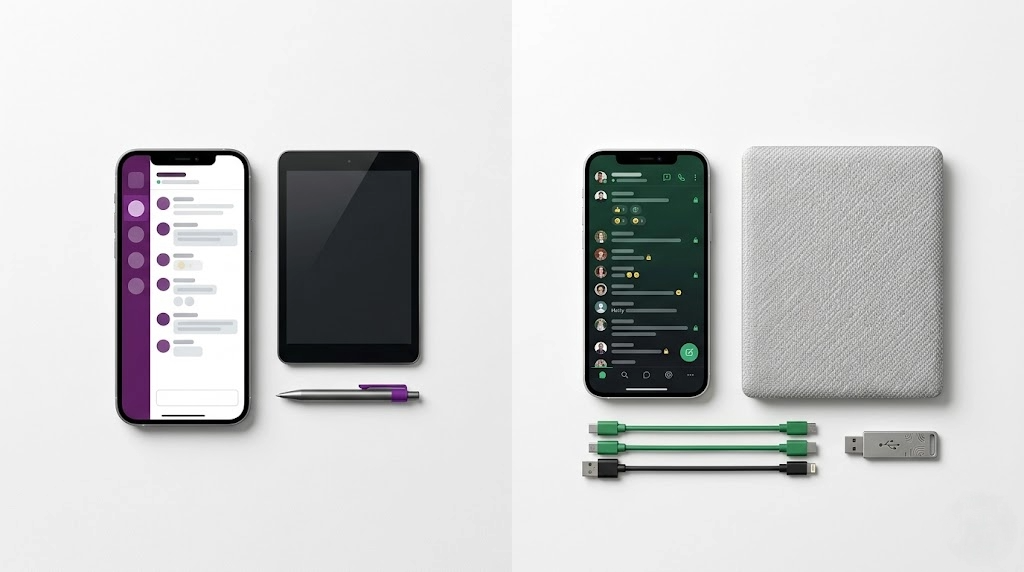
La conversación sobre herramientas de comunicación empresarial raramente llega donde debería llegar. Se queda en si la interfaz es bonita, si tiene buen buscador, si las notificaciones se pueden silenciar por horas o por días. Lo que casi nunca se pregunta es quién controla la infraestructura por la que pasan las conversaciones estratégicas de tu empresa. Cada vez que tu equipo discute una decisión de producto en Slack, cada vez que tu director financiero comparte una cifra por mensaje directo, esa conversación viaja, se almacena y es procesada en servidores de Salesforce, una empresa americana con sede en San Francisco que factura más de 35.000 millones de dólares al año.
Esto no es un argumento paranoico sobre espionaje corporativo. Es una pregunta sobre quién tiene acceso técnico y legal a la información más sensible de tu organización, bajo qué jurisdicción se resuelven los conflictos sobre esos datos, y cuánto pagas por esa dependencia estructural. Matrix, con su arquitectura federada y su modelo de código abierto, representa una respuesta completamente distinta a esas preguntas. Una respuesta que organizaciones tan distintas como el gobierno alemán, las fuerzas armadas francesas y varias agencias de salud pública europeas han tomado muy en serio.
Qué es Slack y cómo llegó a ser el estándar
Slack nació en 2013 como herramienta interna de Tiny Speck, la empresa canadiense que estaba desarrollando el videojuego Glitch. Cuando el juego fracasó, la herramienta de comunicación interna que habían construido para coordinarse resultó ser más valiosa que el producto principal. Su ascenso fue meteórico porque llegó en el momento exacto en que las empresas buscaban alternativas al email para comunicación en tiempo real, y lo hizo con una experiencia de usuario genuinamente superior a todo lo existente: canales temáticos, mensajes directos, integraciones con otras herramientas de trabajo, búsqueda en historial, y una interfaz que parecía diseñada por personas que habían sufrido personalmente el caos del email corporativo.
Slack estableció los estándares de lo que hoy entendemos como mensajería empresarial moderna. Su adquisición por Salesforce en 2021 por 27.700 millones de dólares no alteró el producto de forma dramática en el corto plazo, pero sí su posicionamiento estratégico. Slack se convirtió en la capa de colaboración del ecosistema Salesforce, lo que para empresas ya integradas con el CRM de Salesforce puede ser una ventaja, pero para el resto representa presión hacia un ecosistema que puede no necesitar. Los precios han subido de forma consistente. El plan gratuito, históricamente generoso, limitó el historial de mensajes a 90 días en 2022, lo que afectó directamente a pequeños equipos que dependían de esa memoria colectiva. Y las preguntas sobre soberanía de datos se volvieron más urgentes bajo el paraguas de una corporación con esa escala.
Matrix: un protocolo, no un producto
Matrix no es una aplicación de mensajería. Es un protocolo abierto de comunicación en tiempo real, similar en su filosofía a lo que el email hizo con la comunicación asíncrona o a lo que XMPP intentó hacer con la mensajería instantánea antes de que los jardines vallados de WhatsApp y iMessage se lo tragaran. Fue creado en 2014 por Matthew Hodgson y Amandine Le Pape y es mantenido por la fundación Matrix.org. El cliente más conocido que implementa el protocolo es Element, aunque existen decenas de clientes alternativos para todos los sistemas operativos y casos de uso.
La arquitectura de Matrix es federada, lo que significa que cada organización puede desplegar su propio servidor Matrix, llamado homeserver, y comunicarse desde él con cualquier otro servidor Matrix del mundo sin pasar por una infraestructura central controlada por nadie. Es el mismo principio que hace que puedas enviar un email desde Gmail a un servidor de correo de una empresa universitaria en Portugal: los dos nodos de la red son independientes pero interoperables. Aplicado a mensajería empresarial, esto significa que el gobierno alemán puede tener su instancia de Matrix, comunicarse con la instancia de las fuerzas armadas francesas, y ninguno de los dos pasa datos sensibles por servidores que no controlan directamente. Esto no es una propuesta teórica: es exactamente lo que están haciendo.
La brecha de experiencia de usuario: real, pero reduciéndose
Siendo completamente honestos, Slack ofrece hoy una experiencia de usuario más pulida que cualquier cliente de Matrix. La sincronización es más rápida, la búsqueda más inteligente, el número de integraciones nativas es mucho mayor, el onboarding de nuevos usuarios es más sencillo, y hay menos fricción en general cuando se hace algo que no sea el caso de uso básico. Esto no es una opinión subjetiva: es el resultado de quince años de inversión masiva en producto por parte de una empresa valorada en decenas de miles de millones de dólares, con equipos completos dedicados a pulir cada interacción. Element tiene quirks de interfaz que a usuarios no técnicos les resultan confusos, la sincronización de estado entre dispositivos es a veces impredecible, y la configuración de un servidor autohospedado requiere conocimientos técnicos que no todos los equipos tienen.
Sin embargo, la brecha se está cerrando de forma constante. Element ha mejorado sustancialmente desde 2021, tanto en rendimiento como en usabilidad. Existen proveedores como Element Matrix Services que ofrecen Matrix hospedado en la nube con una experiencia muy cercana a Slack sin necesidad de gestión técnica propia. Y para organizaciones con equipo técnico interno, el coste total de propiedad de un servidor Matrix autohospedado, incluyendo el tiempo de mantenimiento, es significativamente inferior al de Slack para equipos de más de veinte o treinta personas.
El coste real de Slack a escala
Slack Pro cuesta actualmente 7,25 euros por usuario al mes en facturación anual. Slack Business+ son 12,50 euros por usuario. Para una empresa de 50 personas en el plan Business+, eso significa 7.500 euros anuales solo en mensajería interna. Para 200 personas, estamos hablando de 30.000 euros anuales, todos los años, por una herramienta de la que cada vez se depende más y de la que cada vez cuesta más salir. Estos números hacen que el coste de desplegar y mantener un servidor Matrix, incluso contratando soporte externo para ello, empiece a tener sentido económico bastante rápido.
Pero el coste que Slack no te factura en la suscripción mensual es, a largo plazo, el más importante: la dependencia. Cuando la comunicación interna de tu organización vive en los servidores de Salesforce, cambiar de plataforma en el futuro implica migrar años de historial de conversaciones, reentrenar a todos los usuarios en una interfaz nueva, romper integraciones que se han ido construyendo con otras herramientas, y gestionar una resistencia al cambio que aumenta con cada mes que pasa. La dependencia tecnológica tiene un precio que no aparece en ninguna factura mensual pero que se hace muy visible cuando por cualquier razón quieres o necesitas salir.
Privacidad y cumplimiento normativo: el argumento definitivo para organizaciones europeas
Slack, como servicio americano propiedad de Salesforce, está sujeto a la Cloud Act de EE.UU., que permite a las autoridades federales americanas exigir acceso a datos bajo custodia de empresas estadounidenses aunque esos datos estén almacenados en servidores dentro de la Unión Europea. Slack ofrece residencia de datos en la UE para sus planes más caros y proporciona Cláusulas Contractuales Estándar para cumplimiento del RGPD, pero la entidad legal que controla la plataforma y toma decisiones sobre esos datos sigue siendo Salesforce Inc., una corporación con sede en San Francisco sujeta íntegramente a la jurisdicción americana.
Matrix con autohospedaje elimina ese problema de raíz, no lo mitiga ni lo gestiona: lo elimina. Los datos de tus conversaciones nunca salen de los servidores de tu organización. No hay entidad americana en ningún punto de la cadena de datos. No hay Cloud Act aplicable. El cifrado de extremo a extremo está disponible nativamente para salas marcadas como privadas. Para administraciones públicas europeas que manejan información ciudadana, para empresas del sector salud bajo regulación estricta, para bufetes de abogados bajo secreto profesional, para redacciones de medios que protegen fuentes, o para cualquier organización que tome en serio la confidencialidad de sus comunicaciones internas, esto no es una opción entre varias: es el único marco que ofrece las garantías necesarias.
La recomendación de Democratic Market
Para startups pequeñas, equipos remotos sin equipo técnico propio, y organizaciones que no manejan información sensible y quieren la menor fricción posible en la adopción de una herramienta de comunicación, Slack sigue siendo la opción más cómoda y la que menos tiempo cuesta implementar. El gasto está justificado si la productividad que genera supera el coste y si el equipo no tiene capacidad técnica para gestionar alternativas.
Para organizaciones medianas y grandes con algo de capacidad técnica, para administraciones públicas, para cualquier empresa en sectores regulados con requisitos estrictos de cumplimiento o confidencialidad, y para proyectos que quieren construir infraestructura de comunicación que no depende estructuralmente de una corporación cuya jurisdicción legal no es la tuya, Matrix es la elección más coherente con el largo plazo. El esfuerzo inicial de configuración se amortiza con rapidez, tanto en términos de coste como de control. La comunicación interna es demasiado estratégica para delegarla indefinidamente.