
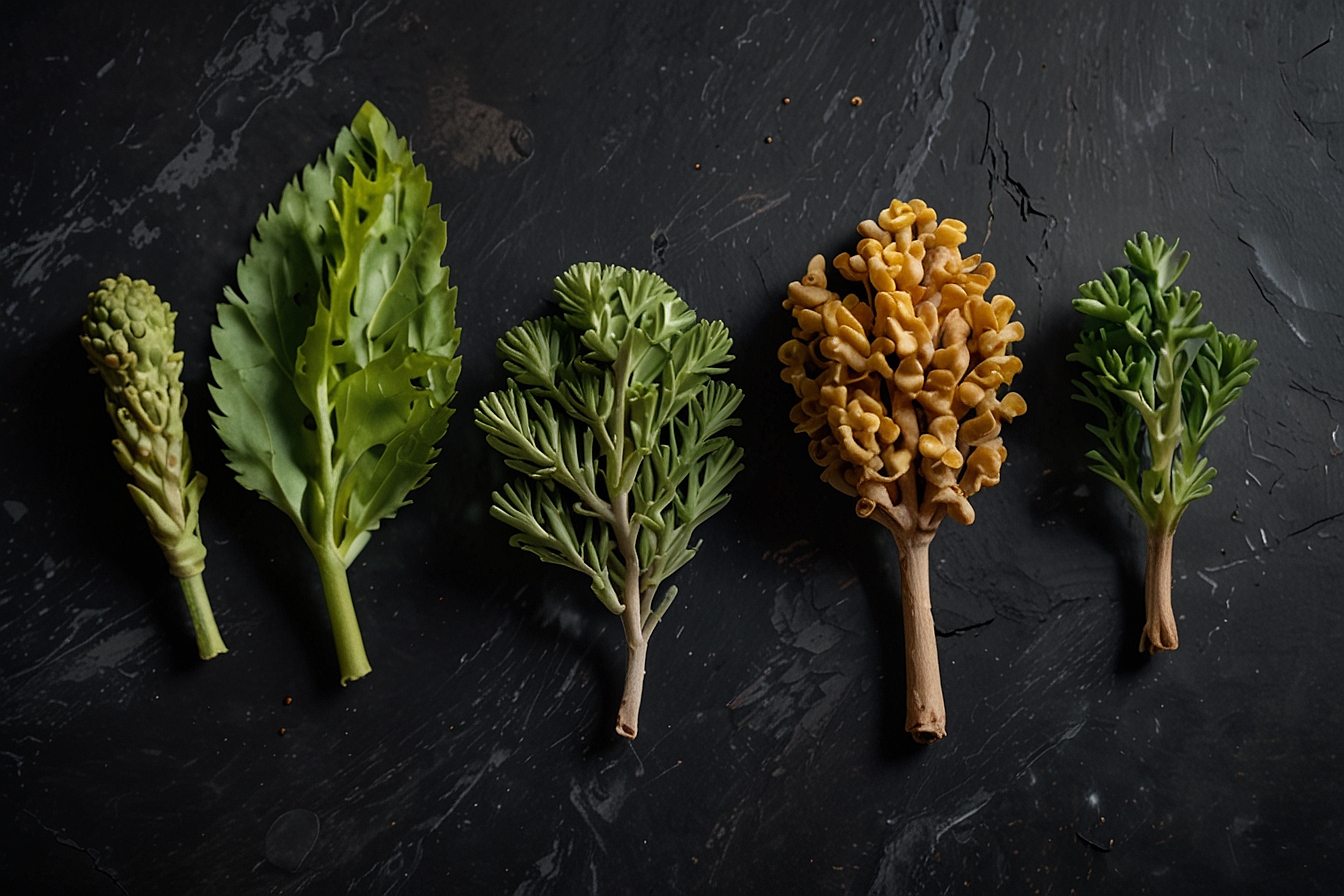
El gin artesanal europeo tiene uno de los mapas de origen más interesantes desde la perspectiva geopolítica de la cadena de suministro, precisamente porque los botánicos que definen el carácter de cada gin tienen orígenes radicalmente distintos. El enebro, que es el ingrediente botánico definitorio del gin según la regulación europea, crece en toda Europa: en los Balcanes, en España, en el Reino Unido, en Italia. La coriandro, omnipresente en casi todas las recetas de gin, viene principalmente de Marruecos (5,15 EIU, por debajo del umbral), Rusia (3,19 EIU, en sanciones) y Bulgaria (7,03 EIU, por encima). El cardamomo, que añade un perfil cálido y especiado a muchos gins, viene de Guatemala (5,72 EIU, por debajo del umbral) e India (7,18 EIU). La combinación de botánicos en una receta de gin es, en términos de Democratic Market, un mapa geopolítico en miniatura.
La base espirituosa, el alcohol neutro de grano sobre el que se maceran los botánicos, tiene su propio perfil de origen. La regulación europea exige que el gin se elabore sobre un alcohol etílico de origen agrícola, pero no especifica el país. El alcohol neutro de trigo o cebada de producción europea, preferentemente de países como el Reino Unido (8,28 EIU), Alemania (8,58 EIU), Bélgica (7,51 EIU) o España (8,13 EIU), es el componente base más alineado con el criterio democrático. Algunos gins utilizan alcohol de caña de azúcar, lo que desplaza el origen al Caribe o a América Central, con perfiles democráticos variables.
Los botánicos con mayor impacto democrático
El enebro de calidad para gin artesanal tiene múltiples orígenes con perfiles democráticos distintos. El enebro de Macedonia del Norte (5,86 EIU, justo por debajo del umbral según la edición 2024) ha sido durante décadas el de referencia para la industria ginebrera porque el enebro de los Balcanes tiene un perfil aromático considerado superior para la destilación. Bosnia y Herzegovina (3,28 EIU, por debajo con amplio margen) también produce enebro de uso industrial. España (8,13 EIU) produce enebro en regiones como Extremadura y Castilla-La Mancha, y algunos destiladores artesanales españoles han apostado por el origen local como argumento diferenciador. El enebro español, además de su mejor perfil democrático, encaja con el argumento de reducir la huella de carbono del transporte de botánicos.
El cardamomo es uno de los botánicos con mayor impacto económico y democrático en el gin. Guatemala produce alrededor del 60% del cardamomo mundial (5,72 EIU, por debajo del umbral democrático), y la India produce gran parte del restante con una puntuación de 7,18 EIU. La elección de cardamomo de origen indio frente al guatemalteco implica tanto un cambio de perfil democrático como un perfil aromático ligeramente distinto: el cardamomo de Kerala tiende a ser más floral y complejo que el guatemalteco, aunque los catadores difieren sobre si la diferencia es estructural o depende de la cosecha y el procesado.
Marcas europeas con mejor perfil democrático
Los gins con el mejor perfil democrático integral son aquellos que combinan destilación en una democracia consolidada con botánicos de origen europeo o democráticamente alineado. Hendrick's (Escocia, Reino Unido, 8,28 EIU) usa pepino y rosa de Bulgaria, además de los botánicos estándar, con una combinación de origen que mezcla botánicos europeos con algunos de origen asiático. Tanqueray (también Reino Unido) tiene botánicos con origen mixto pero la destilación y la marca son británicas. Martin Miller's (diseñado en Reino Unido, agua de Islandia, 9,45 EIU) ha construido su diferenciación sobre el origen del agua de dilución como argumento de pureza.
En España, el gin se ha convertido en una categoría de enorme relevancia cultural: el gin tonic es la copa de referencia del ocio nocturno español y el país tiene cientos de destiladores artesanales. Larios (España), aunque es una marca de volumen propiedad de Beam Suntory (EE.UU., 7,85 EIU / Japón, 8,40 EIU), tiene destilación española. Nordes (Galicia), Gin Mare (Tarragona) y Siderit (Cantabria) son gins españoles artesanales con botánicos de origen mediterráneo o atlántico que maximizan el componente europeo en la receta. Monkey 47 (Alemania) usa 47 botánicos incluido el schisandra chino (China, 2,12 EIU), lo que complica ligeramente su perfil democrático aunque la destilación y la propiedad son alemanas.
La guía para el consumidor que quiere gin con el mejor perfil democrático posible: prioriza gins de destiladores europeos de países con alta puntuación EIU (Alemania, Reino Unido, España, Francia, Bélgica, Países Bajos), pregunta por el origen de los botánicos cuando accedes a gins artesanales de pequeño destilador, y valora especialmente los que usan enebro europeo y evitan botánicos de origen latinoamericano o africano sin certificación. No es una tarea sencilla porque la mayoría de los destiladores no publican la trazabilidad de botánicos con ese nivel de detalle, pero el simple hecho de preguntar crea incentivos en la industria para mejorar la transparencia.
El mercado europeo del gin artesanal tiene una dinámica favorable para el criterio democrático que pocas categorías de alcohol pueden igualar: la proliferación de destiladores locales en España, Alemania, Países Bajos, Francia y el Reino Unido ha creado una oferta diversa de gins con botánicos de origen europeo, cadenas de suministro cortas y transparentes, y propietarios que en muchos casos son conocidos y accesibles directamente. El consumidor que compra un gin artesanal de pequeño productor en una tienda especializada de su ciudad tiene acceso a información sobre los botánicos que ninguna marca global puede igualar, porque la persona al otro lado del mostrador puede saber exactamente de dónde viene el enebro o el cardamomo que está en la botella.
Este modelo de consumo informado es, en esencia, lo que Democratic Market promueve en todas las categorías. El gin artesanal tiene la ventaja de que la transparencia no requiere un esfuerzo especial por parte del consumidor: está disponible para quien simplemente pregunta. La cadena es lo suficientemente corta como para que la información exista y sea accesible. Ese es el estándar hacia el que debería tender todo el mercado de consumo, y el gin artesanal europeo ofrece un modelo de lo que es posible cuando la producción local y la comunidad de consumidores con criterio crean los incentivos para la transparencia.