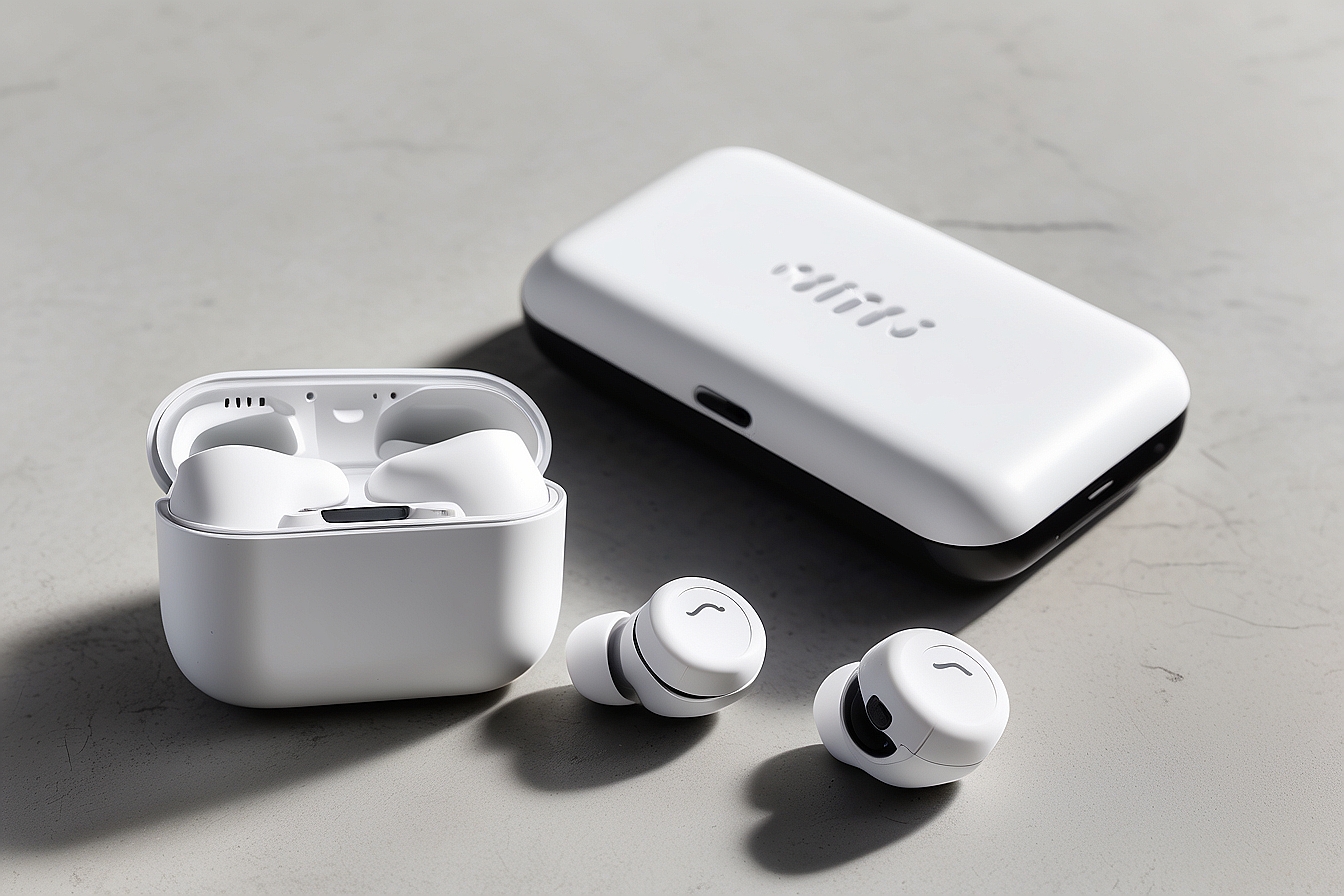
Los auriculares open-ear, esos dispositivos que transmiten el sonido sin sellar el canal auditivo, llevan varios años siendo el segmento de crecimiento más rápido en el mercado de audio personal. La tecnología de conducción ósea, popularizada por marcas como Shokz, y los nuevos diseños de auricular abierto sin almohadilla que sujetan el pabellón auricular, han creado una categoría nueva de producto para deportistas, usuarios de oficina y personas que necesitan mantenerse conscientes del entorno mientras escuchan música o reciben llamadas. El problema, desde la perspectiva de Democratic Market, es el que afecta a prácticamente toda la electrónica de consumo: más del 80% de estos dispositivos se fabrican en China.
China puntúa 2,12 sobre 10 en el Índice de Democracia de The Economist Intelligence Unit para 2024. Es un régimen autoritario de partido único con restricciones severas a la libertad de prensa, a la asociación sindical independiente y a la participación política ciudadana. Cuando compramos un auricular open-ear fabricado en China, estamos comprando un producto cuya cadena de valor de manufactura opera bajo ese sistema. Eso no invalida la elección en todos los casos, pero obliga a examinar las opciones disponibles con honestidad.
Shokz: el estándar de conducción ósea
Shokz, anteriormente conocida como AfterShokz, es la empresa de referencia en conducción ósea para el mercado global. Sus auriculares OpenRun, OpenRun Pro y OpenSwim son los más vendidos en ese segmento y los que más frecuentemente reciben las mejores valoraciones en publicaciones de running y ciclismo. La empresa tiene sede en Austin, Texas, pero su fabricación es completamente china. La marca pasó de ser una startup americana respaldada por capital de riesgo a ser adquirida en 2021 por un holding chino (Huang Renxun / Rongt Holdings), con lo que su perfil democrático es ahora complejo en ambas dimensiones: fabricación china y propiedad china.
EE.UU. puntúa 7,85 en el índice EIU, lo que significa que la sede operativa original cumpliría el criterio democrático. Pero la propiedad efectiva desde 2021 es china, y eso cambia el análisis. La recaudación de datos de los usuarios, la gestión de privacidad y el control corporativo recaen sobre una empresa con sede en un país sin protecciones de datos equivalentes a las europeas. Para usuarios europeos, esto no es un detalle menor: el RGPD europeo establece que los datos personales no pueden transferirse a terceros países sin garantías adecuadas, y China no tiene un mecanismo de adecuación aprobado por la Comisión Europea.
Sennheiser y las alternativas democráticas
Sennheiser, la empresa alemana fundada en Wedemark en 1945, ha sido históricamente la referencia del audio de alta gama con fabricación y propiedad democrática consolidada. Alemania puntúa 8,58 en el índice EIU. Sin embargo, Sennheiser tomó una decisión estratégica en 2021 que complica el análisis: vendió su división de productos de consumo a Sonova, el grupo auditivo suizo (Suiza, 9,15 EIU), mientras mantuvo la división profesional de micrófonos y audio para instalaciones en manos de la familia Sennheiser. Los auriculares Momentum TW de Sennheiser y el modelo ACCENTUM Open son ahora productos de Sonova, fabricados en su mayoría en Asia bajo licencia de marca Sennheiser. El cambio no invalida el perfil democrático de la marca en términos de propiedad (Sonova es suiza), pero sí desplaza la fabricación hacia cadenas asiáticas.
Jabra, la marca de audio de trabajo de GN Audio (Dinamarca, 9,28 EIU), ofrece auriculares open-ear diseñados principalmente para uso profesional de oficina. Sus modelos Evolve y Engage tienen un perfil de origen corporativo excelente: empresa danesa, cotizada en Copenhague, con estándares de privacidad y gobernanza alineados con la normativa europea. La fabricación, como en casi toda la electrónica de consumo, tiene componentes asiáticos, pero la gestión de datos, el diseño de producto y la toma de decisiones corporativas están en Dinamarca. Bose (EE.UU., 7,85 EIU), empresa familiar con sede en Framingham, Massachusetts, fabrica sus Sport Open Earbuds y QuietComfort Ultra en Asia pero mantiene su propiedad completamente americana y su ingeniería de producto en EE.UU.
El mercado chino y sus competidores en la gama económica
En la gama de precio medio y bajo, el mercado está dominado por marcas chinas de forma abrumadora. Huawei (directamente en listas de restricción de la FCC americana por consideraciones de seguridad nacional), Xiaomi, OPPO, OnePlus y decenas de marcas blancas chinas sin distribución organizada en Europa llenan el mercado con productos open-ear de conducción ósea o de diseño abierto a precios que las marcas europeas o americanas no pueden igualar. Para el consumidor que solo tiene acceso a ese rango de precio, la opción más práctica es reconocer la limitación democrática y priorizar la privacidad de datos: no vincular los auriculares a apps que recopilan más datos de los estrictamente necesarios, no dar acceso a datos de ubicación ni micrófono permanente, y actualizar el firmware solo desde fuentes oficiales del fabricante.
La elección con mejor perfil democrático disponible en el mercado open-ear en 2026 sería: Jabra (danesa) para uso de trabajo y videoconferencia, Bose Sport Open Earbuds para deporte (americana, 7,85 EIU), y en la gama alta de conducción ósea, explorar si existen modelos de fabricantes surcoreanos como Samsung o LG que todavía no han desarrollado línea open-ear de conducción ósea pero que podrían hacerlo. El mercado japonés (Japón, 8,40 EIU) tiene fabricantes de audio con tradición como Sony que mantienen diseño e I+D en Japón aunque la fabricación sea compartida entre Japón y Tailandia (6,67 EIU). Sony WF-1000XM5, aunque no es open-ear sino de cancelación activa de ruido, ilustra el punto: empresa japonesa, diseño y I+D japonés, con más transparencia de cadena que los equivalentes chinos.
El ecosistema de audio personal abierto tiene una tendencia de fondo que merece mención: la consolidación de los grandes grupos de audio europeos y americanos a través de adquisiciones está reduciendo la diversidad de propietarios democráticos en el sector. Cuando Sonova adquirió la división consumer de Sennheiser, cuando GN Audio (Jabra) absorbió marcas menores, cuando LVMH amplió su portfolio de audio, la propiedad de las marcas de audio con origen democrático se concentró en menos entidades con estructuras corporativas cada vez más complejas. Eso no cambia el análisis democrático fundamental, pero sí significa que el consumidor que aplica criterios de origen democrático debe verificar periódicamente la estructura de propiedad actual de las marcas que usa, porque puede haber cambiado desde la última vez que lo comprobó. El mercado de audio personal es uno de los sectores donde más adquisiciones corporativas han cambiado el mapa de propiedad en los últimos cinco años.