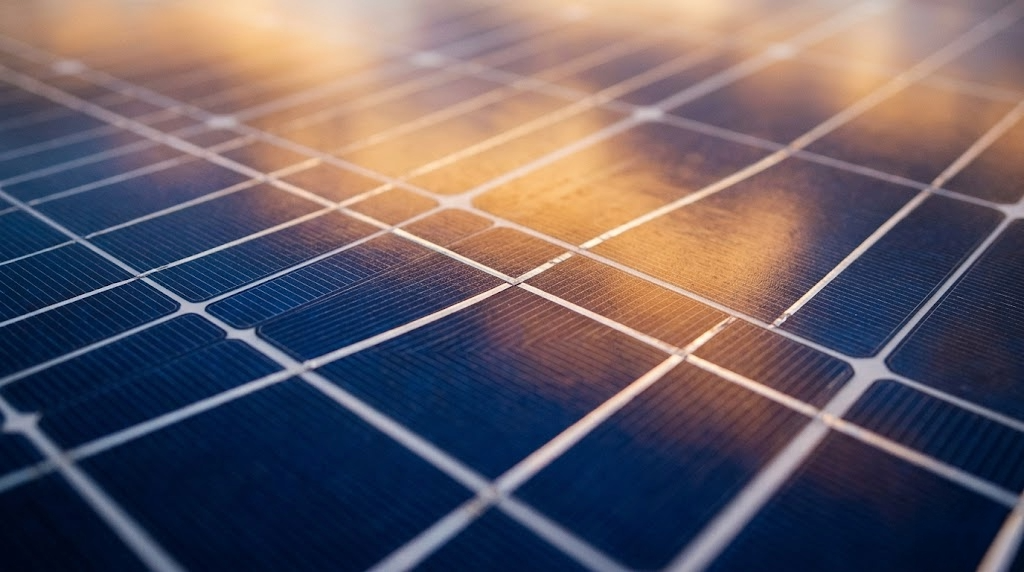
La paradoja verde del sector fotovoltaico es uno de los debates más incómodos de la transición energética. Estamos financiando la instalación masiva de paneles solares para reducir nuestra dependencia de los combustibles fósiles y las emisiones de CO₂, pero más del 80% de esos paneles están fabricados en China, un país que ha construido su dominio industrial en el sector sobre una combinación de subvenciones estatales masivas, costes laborales bajos y, hasta hace relativamente poco, quemando carbón para alimentar las propias fábricas que producen silicio solar. La ironía es tan densa que hasta los analistas más favorables a la expansión renovable la reconocen: la solución climática está siendo manufacturada por el sistema que genera el problema climático, en un régimen político que puntúa 2,12 sobre 10 en el Índice de Democracia de The Economist Intelligence Unit para 2024.
Eso no significa que los paneles solares sean una mala idea, ni que instalarlos sea una elección hipócrita. Significa que la industria fotovoltaica tiene una contradicción de origen que hay que conocer antes de tomar decisiones de compra informadas. Y significa que existe, aunque sea más cara y más difícil de encontrar, una alternativa democrática real.
Por qué China domina el 80% del mercado global
La historia del dominio chino en fotovoltaica no es accidental ni producto del libre mercado. Es el resultado de una política industrial deliberada que comenzó alrededor de 2005 y se aceleró a finales de la primera década de los 2000 cuando el gobierno chino identificó las energías renovables como un sector estratégico para la siguiente fase de su desarrollo industrial. Las subvenciones a productores de paneles solares, el acceso preferencial a capital bancario estatal, la política de tierras que facilitaba la construcción de megafábricas, y los precios artificialmente bajos de la energía para la industria pesada crearon condiciones que las empresas europeas y americanas simplemente no podían igualar. Empresas alemanas como Q.CELLS, que habían sido pioneras en la tecnología solar de alta eficiencia, quebraron o se vendieron a precio de saldo cuando el precio de los paneles chinos cayó un 80% en tres años entre 2008 y 2011.
El resultado es una concentración geográfica sin precedentes en la cadena de suministro fotovoltaica. No solo los paneles terminados vienen mayoritariamente de China. También el 90% del polisilicio de alta pureza necesario para fabricarlos, una parte significativa del cual proviene de la región de Xinjiang, donde existe documentación amplia sobre trabajo forzado de la minoría uigur. Cuando la Ley de Prevención del Trabajo Forzado en Xinjiang de EE.UU. entró en vigor en 2022, creando una presunción legal de trabajo forzado para cualquier producto con componentes de Xinjiang, la industria solar global enfrentó preguntas para las que no tenía respuestas cómodas. La trazabilidad de la cadena de suministro de un panel solar hasta el origen exacto del silicio es extraordinariamente difícil, y varios auditores independientes han documentado que algunas empresas chinas que aseguraban no usar silicio de Xinjiang no podían probarlo.
Alternativas europeas: pequeñas, caras y reales
Meyer Burger es el caso más citado cuando se habla de fabricación solar europea. La empresa suiza (Suiza, 9,15 puntos EIU) convirtió en 2021 su planta de Bitterfeld-Wolfen en Alemania (8,58 puntos EIU) en la primera línea de producción de células heterounión en Europa, usando su propia tecnología de heterounión de alta eficiencia. Sus paneles tienen una eficiencia de conversión de en torno al 22-23%, significativamente por encima de los paneles PERC estándar chinos de 19-20%, y vienen con una garantía de producto y una trazabilidad completa desde el silicio hasta el módulo terminado. El precio es entre un 20 y un 30% más alto por vatio pico. Para instalaciones residenciales y comerciales donde el precio por vatio no es el único criterio, es una alternativa real.
SolarWatt (Alemania) fabrica módulos de doble vidrio en Dresden desde la época en que Alemania era el mayor mercado solar del mundo. Enphase Energy (EE.UU., 7,85 EIU) fabrica los mejores microinversores del mercado, componente crítico del sistema que también puede tener origen democrático aunque los paneles no lo tengan. SunPower, fundada en Silicon Valley aunque con parte de su producción en Filipinas (7,92 EIU), produce algunos de los paneles de mayor eficiencia del mercado con una cadena de suministro más transparente que la media. Heckert Solar (Alemania) fabrica paneles en Chemnitz, con un volumen mucho más modesto que los gigantes chinos pero con garantías de origen europeo verificables.
El problema es de escala. La capacidad instalada de fabricación solar en Europa es una fracción pequeña de la demanda europea, y la brecha de precio entre un panel europeo y un panel chino de calidad similar sigue siendo suficientemente grande como para que la mayoría de las instalaciones comerciales y residenciales opten por el asiático. La Unión Europea ha respondido con el Net Zero Industry Act y con medidas arancelarias parciales, pero el diagnóstico estructural es que Europa desmanteló su industria solar en la década de 2010 por no querer entrar en una guerra de subvenciones con China, y reconstruirla llevará años y requerirá un compromiso político sostenido que aún no está completamente claro.
La decisión práctica: instalar o no, y cómo
Si estás pensando en instalar paneles solares en tu casa o negocio, la posición más honesta es esta: la mayor parte de las opciones disponibles en el mercado europeo tienen un componente chino en algún punto de la cadena, y rechazar los paneles solares en conjunto porque vienen de China sería contraproducente para el objetivo climático. Lo que sí puedes hacer es pedir trazabilidad a tu instalador, preguntar explícitamente si el fabricante tiene compromisos públicos sobre la ausencia de componentes de Xinjiang y cómo los verifica, y evaluar si la diferencia de precio de un panel de fabricación europea o de origen democrático verificado es asumible en tu proyecto específico.
Para proyectos donde el criterio democrático es prioritario y el presupuesto lo permite, la combinación Meyer Burger o SolarWatt para los módulos con inversores Fronius (Austria, 8,62 EIU) o SMA (Alemania) y baterías BYD (China, lo que rompe el criterio) o Sonnen (Alemania) es la opción con mayor porcentaje de cadena democrática disponible hoy en el mercado europeo. No es perfecta, no cubre el 100% de la cadena, pero es sustancialmente mejor desde el criterio democrático que una instalación estándar con módulos Jinko, LONGi o Canadian Solar fabricados al cien por cien en China.