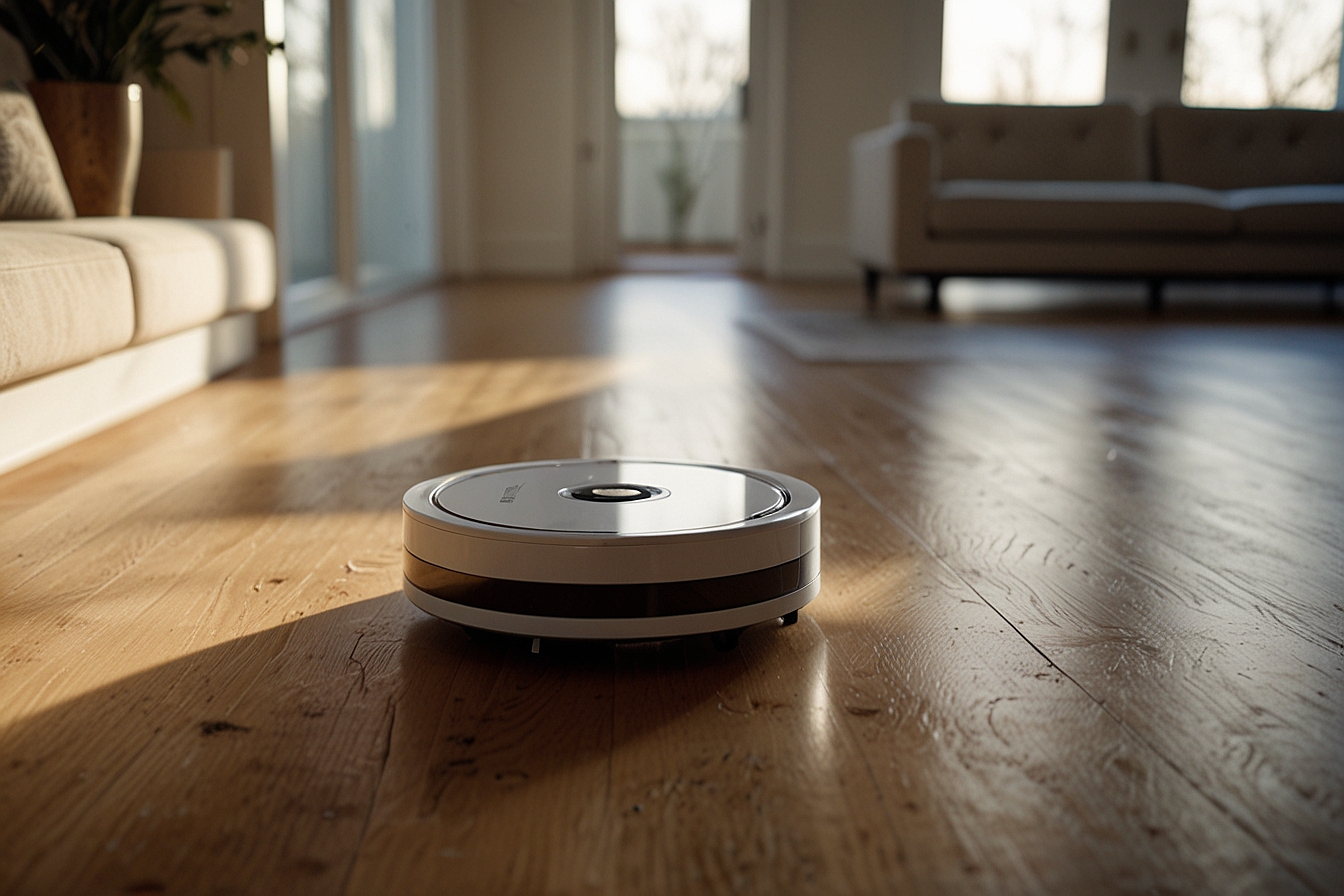
Aproximadamente el 85% de los robots aspiradores del mercado global provienen de China. No es una estimación aproximada: es una cifra que los analistas de industria confirman año tras año, y que refleja la misma dinámica que ha vaciado la fabricación de electrónica de consumo de los países occidentales durante las últimas tres décadas. iRobot, la empresa americana fundada en el MIT que inventó el Roomba en 2002, fabrica sus productos en China. Roborock, Dreame, Ecovacs, Xiaomi Mijia: todas chinas, todas fabricadas en China, todas en un país que puntúa 2,12 sobre 10 en el Índice de Democracia de The Economist Intelligence Unit para 2024.
Hay una excepción, pequeña y cara pero real. Vorwerk, la empresa alemana que vende el Kobold VR700 y sus sucesores, fabrica en Wuppertal, Renania del Norte-Westfalia. Vorwerk es una de las pocas empresas de electrodomésticos que ha mantenido producción manufacturera en Europa de forma deliberada, alineada con su modelo de venta directa a domicilio que requiere un nivel de integración técnica y de formación de vendedores que el modelo de distribución masiva hace más difícil de sostener con producción remota. Alemania puntúa 8,58 en el índice EIU. Para Democratic Market, el Kobold VR700 es el robot aspirador con el mejor perfil democrático disponible en el mercado europeo, sin discusión.
iRobot y la paradoja de la marca americana
iRobot es un caso paradigmático de las contradicciones de la fabricación global. La empresa fue fundada en Bedford, Massachusetts por ingenieros del MIT, incluyendo a Colin Angle y Helen Greiner, con tecnología de origen académico americano. Desarrolló el Roomba como primer robot aspirador de consumo comercialmente exitoso en 2002. Cotizó en el Nasdaq. Fue adquirida por Amazon en 2023 por 1.700 millones de dólares, aunque la adquisición fue bloqueada inicialmente por la Comisión Europea y finalmente cerrada en circunstancias complicadas que dejaron a iRobot en situación financiera difícil, con despidos masivos y una crisis de dirección. Amazon (EE.UU., 7,85 EIU) es la propietaria actual, y toda la producción de iRobot sigue siendo en China.
EE.UU. puntúa 7,85 en el índice EIU, por encima del umbral de 6,5. Desde el criterio democrático puro, una empresa americana de capital americano, propiedad de otra empresa americana, no tiene objeciones directas aunque su fabricación sea en China. La pregunta es qué peso le damos al país de fabricación versus el país de propiedad intelectual y sede corporativa. En Democratic Market usamos ambas dimensiones: la sede corporativa y el país de fabricación son factores distintos. Un Roomba J7+ fabricado en China bajo propiedad de Amazon-EE.UU. tiene objeciones en la dimensión de fabricación pero no en la de propiedad. Un Roborock S8 fabricado y diseñado en China, propiedad de una empresa china, tiene objeciones en ambas dimensiones.
Roborock, Dreame y el ecosistema chino
Roborock fue fundada en Pekín en 2014 y originalmente fabricó robots para Xiaomi. Desde 2017 opera como marca independiente y hoy es probablemente la referencia de mejor relación calidad-precio-tecnología del mercado global de robots aspiradores. Sus modelos Q, S y P están en el top de las valoraciones de publicaciones técnicas como The Wirecutter, Which?, o Stiftung Warentest. El rendimiento de limpieza, la integración con apps, el mapeo LiDAR y la gestión de estaciones de vaciado automático son excepcionalmente buenos para el precio. El problema es inequívoco: empresa china, fabricación china, país de origen con 2,12 puntos EIU, sin alternativa democrática en ese rango de precio.
Dreame, también china y también fabricante de productos bajo la órbita del ecosistema Xiaomi inicialmente, ha seguido un camino similar: tecnología excelente, precios competitivos, y el mismo perfil de origen geopolítico que Roborock. Ecovacs, con sede en Suzhou, es otra empresa china con una línea Deebot que en los últimos dos años ha escalado en calidad y se ha convertido en competidor directo de Roborock en el segmento medio-alto. Samsung (Corea del Sur, 8,09 EIU) y LG (también Corea del Sur) tienen robots aspiradores en el mercado con un origen geopolítico más aceptable: Corea del Sur es una democracia plena bien consolidada. Los modelos Jet Bot de Samsung y RoboHome de LG no alcanzan la profundidad de funcionalidad de Roborock, pero representan la alternativa asiática con mejor perfil democrático.
La elección con criterio democrático
La guía práctica para el consumidor que quiere un robot aspirador con el mejor perfil democrático posible tiene un orden claro de preferencias. Primero, Vorwerk Kobold: fabricado en Alemania, empresa alemana, democracia plena de alta puntuación. Es caro y su modelo de venta directa puede resultar menos accesible, pero es la única opción con fabricación europea disponible en el mercado de masa. Segundo, si el presupuesto no permite Vorwerk, Samsung Jet Bot o LG RoboHome: empresa y país de Corea del Sur (8,09 EIU), por encima del umbral democrático con amplios márgenes. Tercero, iRobot Roomba con propiedad de Amazon-EE.UU. (7,85 EIU): el país de sede corporativa cumple el criterio democrático aunque la fabricación sea en China.
Roborock, Dreame, Ecovacs y los robots de marca blanca de origen chino quedan en la posición más baja desde el criterio democrático, con todo lo que eso implica sobre la dificultad de ejercer una elección alternativa cuando la concentración industrial en China no tiene, en este segmento, una alternativa democrática competitiva en precio. Es el mismo dilema que aparece en paneles solares, en smartphones y en muchas categorías de electrónica de consumo: el mercado ha creado una dependencia de la manufactura china que es muy difícil de revertir en el corto plazo, y el consumidor individual no tiene herramientas suficientes para resolverlo solo. Lo que sí puede hacer es votar con el presupuesto disponible hacia las opciones con mejor perfil democrático cuando existe una alternativa razonable.
El problema de los datos personales en los robots aspiradores es una dimensión que la mayoría de las guías de compra no abordan con suficiente profundidad. Los robots aspiradores modernos con mapeado LiDAR no solo limpian: crean un mapa detallado de la distribución de tu vivienda, registran cuándo estás en casa y cuándo no, y en los modelos con cámara, pueden capturar imágenes de los interiores. Toda esa información se almacena en servidores del fabricante y se gestiona bajo la jurisdicción del país de sede de la empresa. Un robot Roborock o Dreame almacena ese mapa y esos datos bajo jurisdicción china, sin la protección que ofrece el RGPD europeo ni el marco de adecuación de datos que la UE exige a los países terceros. Un robot Vorwerk o Samsung gestiona esos datos bajo jurisdicción alemana o coreana, con marcos de protección de datos más alineados con los derechos del consumidor europeo. En el caso de los robots aspiradores, el criterio democrático y el criterio de privacidad de datos apuntan exactamente en la misma dirección.