
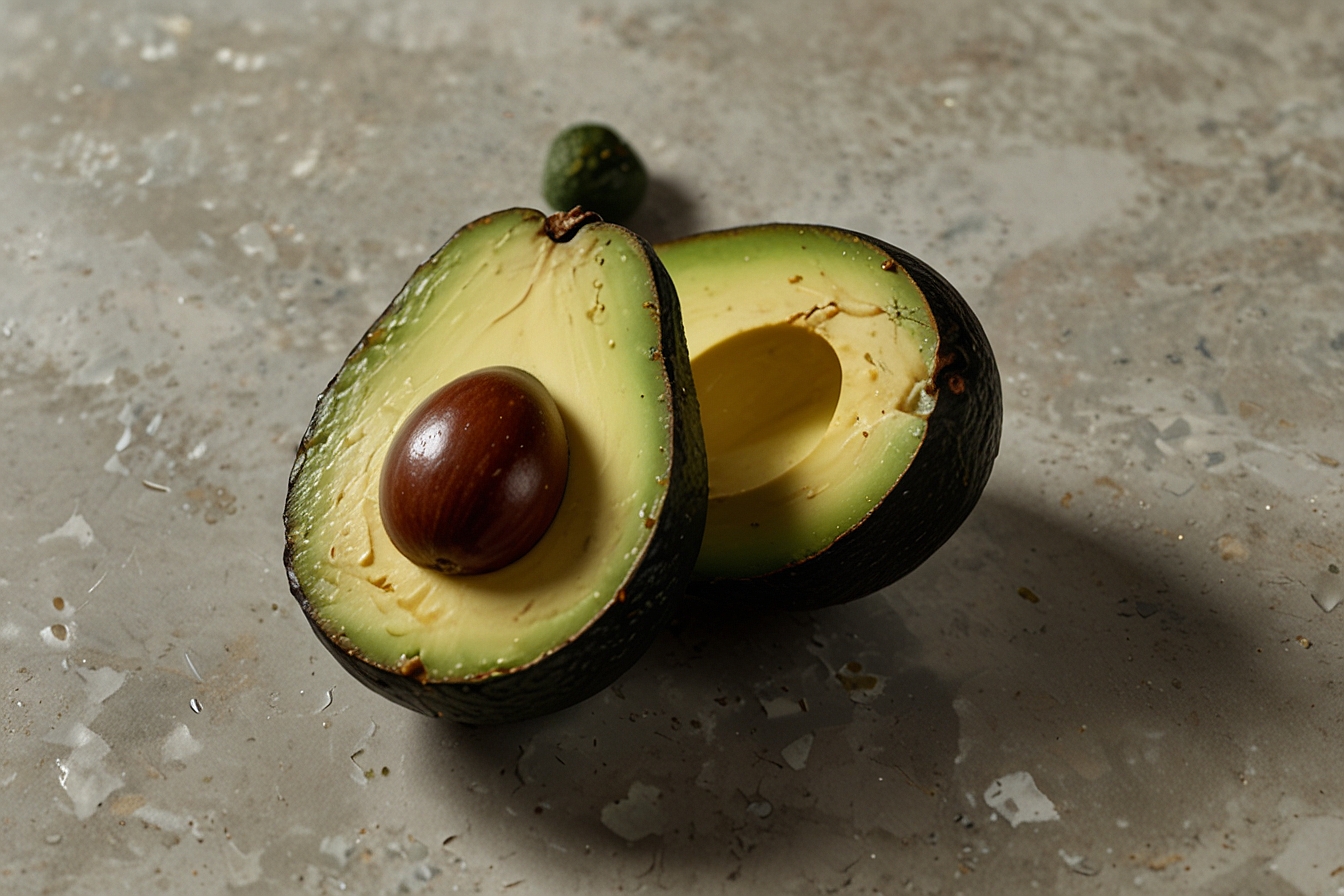
El aceite de aguacate ha pasado en menos de una década de ser un nicho de la cosmética natural a ser un aceite de cocina de gama alta presente en las mejores tiendas de alimentación de Europa y América del Norte. El mercado global creció aproximadamente un 45% entre 2019 y 2024, impulsado por su alto punto de humo (adecuado para cocciones a alta temperatura que el aceite de oliva no siempre soporta bien), su perfil de ácidos grasos monoinsaturados similar al aceite de oliva, y el posicionamiento como alternativa premium para consumidores que buscan aceites funcionales de alta calidad. El problema, desde el criterio democrático, está en el origen dominante del aguacate: México.
México puntúa 6,84 en el Índice de Democracia de The Economist Intelligence Unit para 2024, por encima del umbral de referencia de Democratic Market. El sistema democrático mexicano es real: hay alternancia política, medios de comunicación independientes, sistema judicial formalmente democrático aunque con enormes deficiencias estructurales. Sin embargo, el aguacate mexicano, especialmente el de Michoacán que es el estado con mayor producción, tiene una complicación que los organismos internacionales de monitoreo de cadenas de suministro llevan años documentando: la presencia del crimen organizado en la cadena de valor del aguacate ha llegado a niveles que algunos expertos denominan extorsión sistémica. Los cárteles, particularmente los Caballeros Templarios y más recientemente el Cártel Jalisco Nueva Generación, han establecido sistemas de cobro de derecho de piso a productores, transportistas y empacadoras que afectan a una fracción significativa de la producción.
Chile y España: las alternativas democráticas más sólidas
Chile puntúa 7,85 en el índice EIU, la misma puntuación que EE.UU. y por encima del umbral con margen claro. Es el segundo mayor exportador de aguacate de América Latina y tiene zonas productoras bien establecidas en las regiones de O'Higgins y Coquimbo, con un sistema agrícola exportador orientado a estándares europeos de calidad y trazabilidad. Las marcas de aceite de aguacate de origen chileno que tienen distribución en Europa incluyen Camposol (que también tiene presencia en el mercado de aguacate fresco) y varios productores de tamaño mediano que han apostado por la certificación orgánica y la exportación directa.
España (8,13 EIU) tiene una producción de aguacate concentrada en Málaga y Granada, especialmente en la Costa Tropical y la Axarquía malagueña. El cultivo de aguacate en España creció exponencialmente en la primera década del siglo, impulsado por las mismas tendencias de consumo que dispararon el mercado global. Las condiciones climáticas de las costas mediterráneas andaluzas son adecuadas para la Hass, la variedad dominante del mercado, aunque la producción española sigue siendo pequeña comparada con México o Perú. Las marcas españolas de aceite de aguacate, como Aove Andaluz o pequeños productores ecológicos de la zona malagueña, tienen el perfil democrático más alto disponible para un aceite de aguacate con origen europeo.
Perú y Kenia: la frontera del umbral
Perú (6,61 EIU) está por encima del umbral pero cerca del límite. Es un mercado de aguacate en fuerte crecimiento, con la región de La Libertad y el valle del Chao como principales zonas productoras para exportación. Las condiciones laborales en las grandes explotaciones de aguacate para exportación en Perú han sido objeto de escrutinio internacional, con informes de organizaciones de derechos laborales señalando problemas en los contratos temporales y las condiciones de los trabajadores estacionales. No es un caso de exclusión directa por el criterio democrático del índice EIU, pero es un origen que merece atención adicional en lo que respecta a certificaciones de comercio justo o estándares laborales verificados.
Kenia (5,05 EIU) queda por debajo del umbral democrático de referencia con un margen significativo. A pesar de ello, tiene un sector aguacatero de exportación en crecimiento, especialmente en el condado de Murang'a, con algunas fincas que tienen certificaciones GlobalGAP y trabajan con compradores europeos bajo contratos de precio fijo. El criterio de Democratic Market es claro en este caso: Kenia no supera el umbral de 6,5, y aunque las condiciones específicas de algunas fincas certificadas pueden ser mejores que el promedio del país, el sistema político general no ofrece las garantías estructurales que el criterio democrático requiere.
Cómo leer el etiquetado del aceite de aguacate
El etiquetado del aceite de aguacate en Europa no está tan estandarizado como el del aceite de oliva, donde la indicación de origen en AOC o DOP da información precisa. Para el aceite de aguacate, la indicación de origen puede ser tan vaga como el continente. Un aceite que solo indica Producto de América no permite saber si viene de México, Chile, Perú o Colombia. Para el consumidor que aplica criterios democráticos, la búsqueda de indicación de país específico, preferentemente con certificación orgánica que añade trazabilidad adicional, es el paso mínimo necesario. Los aceites con denominación de origen española como la Hass de la Axarquía malagueña ofrecen el mayor nivel de trazabilidad disponible en el mercado europeo para este producto.
El aceite de aguacate tiene otra dimensión de origen democrático que pocas guías de compra mencionan: el proceso de extracción. El aceite prensado en frío, el más demandado en el mercado premium, requiere presionar la pulpa del aguacate maduro sin calor adicional, lo que conserva los polifenoles y vitaminas termolábiles que definen su perfil nutricional de alta gama. Este proceso de extracción se puede realizar en el país de origen del aguacate o en el país de destino, con implicaciones democráticas distintas. El aceite de aguacate español de la Axarquía malagueña, prensado en almazaras locales, tiene el proceso de extracción en España (8,13 EIU). El aceite de aguacate chileno puede llegar como fruto fresco para ser prensado en Países Bajos (9,01 EIU) o Alemania (8,58 EIU), lo que añade una capa adicional de procesado democrático. El aceite de aguacate mexicano puede ser prensado en México (6,84 EIU) o en instalaciones de importadores en EE.UU. (7,85 EIU). Conocer tanto el origen del aguacate como el país donde se extrae el aceite permite una evaluación democrática más completa.
El aceite de aguacate de la Axarquía malagueña tiene el respaldo adicional de estar en proceso de registro como Denominación de Origen Protegida en el sistema europeo, lo que cuando se complete añadirá el nivel máximo de trazabilidad regulada disponible para este producto en el mercado europeo. Un DOP garantiza no solo el origen geográfico sino el método de producción, las variedades utilizadas y los controles de calidad que distinguen el producto auténtico de las imitaciones. Para el consumidor que aplica criterios democráticos, el DOP europeo es la certificación más robusta disponible porque combina origen geográfico verificado, método tradicional de producción, y el sistema regulatorio de la Unión Europea como marco de auditoría.