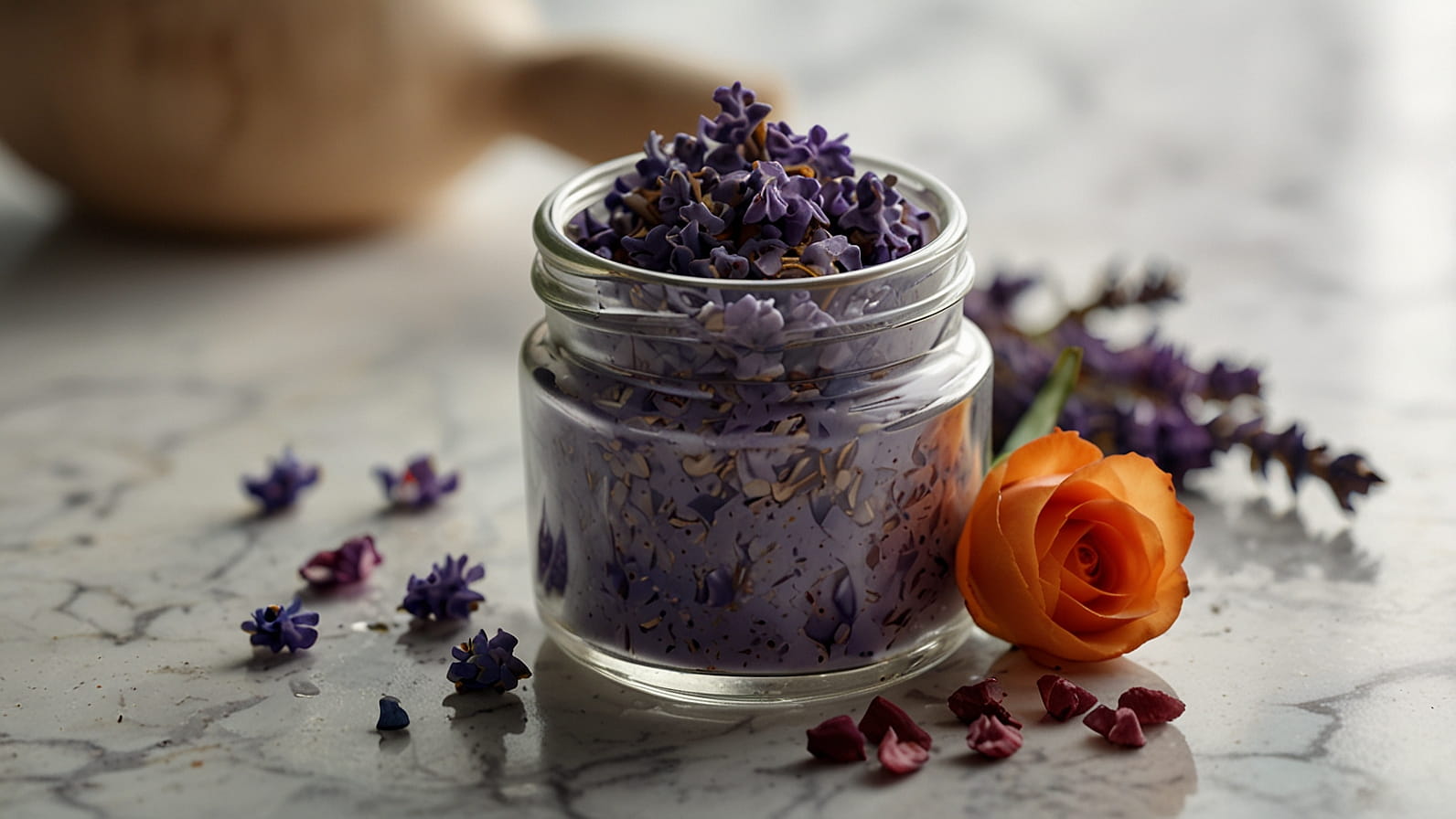

Las velas artesanales tienen una geografía de origen sorprendentemente compleja para un producto que en la superficie parece simple. El mercado global de velas premium, impulsado por el crecimiento del bienestar y la decoración del hogar, ha creado una demanda de materias primas naturales, principalmente cera de soja, cera de abeja y cera de palma, que tiene implicaciones geopolíticas que pocas marcas comunican con transparencia.
La cera de abejas tiene el mapa de origen más problemático desde el criterio democrático. China produce aproximadamente el 70% de la cera de abejas mundial exportada al mercado global. China puntúa 2,12 en el índice EIU, y las condiciones de la apicultura industrial china han sido objeto de múltiples investigaciones sobre adulteración con parafina o ceras sintéticas, así como sobre uso de antibióticos no autorizados en la Unión Europea. La Comisión Europea tiene restricciones de importación de miel china por este motivo, y aunque la cera de abejas tiene menos restricciones formales, el ecosistema apícola chino opera bajo los mismos problemas de supervisión y transparencia.
La alternativa democrática en cera de abejas es europea y americana, con mayor coste y menor volumen. Los principales productores europeos de cera de abejas son Alemania (8,58 EIU), Francia (8,07 EIU), España (8,13 EIU) y los países del este como Rumanía (7,77 EIU) y Polonia (6,84 EIU). La cera de abejas europea está sujeta a controles de calidad y trazabilidad mucho más rigurosos bajo la normativa europea de producción animal. Para marcas de velas que usan cera de abeja auténtica de origen europeo, el coste de producción es significativamente más alto que con cera china, lo que se refleja en el precio final.
La cera de soja: EE.UU. y el problema de la soja
La cera de soja se convirtió en la alternativa más popular a la parafina (derivado del petróleo) en el mercado de velas artesanales premium a partir de los años 2000. EE.UU. (7,85 EIU) es el mayor productor mundial de soja, y la mayor parte de la cera de soja del mercado global viene del Midwest americano, procesada por empresas como AAK, Cargill o Elevance. El perfil democrático de la soja americana es bueno en términos de origen: los agricultores operan en un sistema democrático con acceso a contratos de futuros, seguros agrícolas y mecanismos de resolución de disputas. La controversia de la soja americana es más ambiental que política: la expansión de soja transgénica y el uso intensivo de herbicidas como el glifosato son aspectos que el consumidor de velas artesanales premium generalmente valora negativamente.
Brasil (6,90 EIU) es el segundo mayor productor de soja y también exporta cera de soja, con un perfil democrático por encima del umbral aunque con la controversia de la deforestación en el Cerrado y la Amazonia asociada a la expansión sojera. La soja orgánica certificada, de origen americano o europeo, resuelve parte de la dimensión ambiental aunque no cambia el perfil democrático del país de origen.
Las marcas y la transparencia de origen
El mercado de velas artesanales premium europeo está dominado por marcas de Francia, Reino Unido y Alemania que raras veces publicitan el origen exacto de su cera. Diptyque (Francia, 8,07 EIU) usa cera de parafina de alta calidad en muchas de sus velas más icónicas, no cera vegetal, lo que sorprende a muchos consumidores que asumen origen natural por el posicionamiento premium de la marca. Cire Trudon (Francia), probablemente el fabricante de velas de lujo más antiguo del mundo, usa cera de parafina refinada en muchas líneas, con añadidos de cera natural para algunos productos. Jo Malone (Reino Unido, ahora Estée Lauder, EE.UU.) y Molton Brown (también Reino Unido) son marcas del grupo de lujo con formulaciones variables y escasa transparencia de cadena de suministro de materias primas.
Las marcas artesanales que sí publican origen de cera incluyen Skandinavisk (Dinamarca, 9,28 EIU), que usa cera de soja americana o ceras vegetales con certificación y comunica el origen en su web. Maison Berger (Francia) tiene líneas de cera vegetal con más información de origen que las grandes marcas de lujo. Muchas marcas artesanales de tamaño pequeño y mediano, que venden en mercados y tiendas especializadas, tienen acceso directo a proveedores de cera y pueden responder con precisión sobre el origen si se les pregunta directamente, algo que las grandes marcas difícilmente hacen.
La guía práctica: para velas de cera de abeja, busca explícitamente origen europeo o certificación de apicultura orgánica, y asume que sin indicación de origen la cera de abeja puede ser china. Para velas de cera de soja, la cera americana (EE.UU., 7,85 EIU) es el estándar democrático más disponible. Evita velas que no indican el tipo de cera, ya que probablemente usan parafina o mezclas no identificadas. El precio en el segmento artesanal con cera natural de origen democrático verificado es generalmente superior a 15-20 euros por vela de tamaño estándar, y si está muy por debajo de ese precio con reclamaciones de cera natural, la transparencia de origen debería ser una pregunta, no un supuesto.
El mercado de las velas artesanales tiene un cambio estructural en marcha que mejora el perfil democrático del sector: la creciente demanda de trazabilidad por parte de consumidores concienciados está empujando a los minoristas especializados a exigir más información de origen a sus proveedores. Las tiendas de decoración slow living y bienestar que han crecido en las principales ciudades europeas en los últimos cinco años tienen una clientela que pregunta por la procedencia de la cera y por las condiciones de los agricultores de las flores usadas en los perfumes. Ese pressure de mercado está llegando, lentamente pero con continuidad, hasta los pequeños destiladores de esencias y a los productores de cera de abeja europeos que antes no necesitaban certificar ni comunicar su origen porque vendían a mayoristas sin trazabilidad. El criterio democrático está creando incentivos reales en este mercado de nicho, y eso es exactamente el tipo de retroalimentación que Democratic Market quiere facilitar con su análisis.
Las velas de soja reflejan un cambio más amplio en el mercado de decoración del hogar europeo hacia ingredientes rastreables y verificables. La misma oleada de transparencia que ha transformado el sector alimentario europeo en la última década se está trasladando ahora a categorías como perfumería del hogar, textiles y cosméticos. El consumidor que ya lee las etiquetas del aceite de oliva o el chocolate con la misma atención que un auditor de cadena de suministro aplica ahora esa mirada al set de velas que decora su salón. Las marcas que anticiparon este movimiento —desarrollando desde 2018 cadenas de suministro trazables para su soja, cera de abeja y fragancias— tienen hoy una ventaja competitiva real en el segmento premium.