
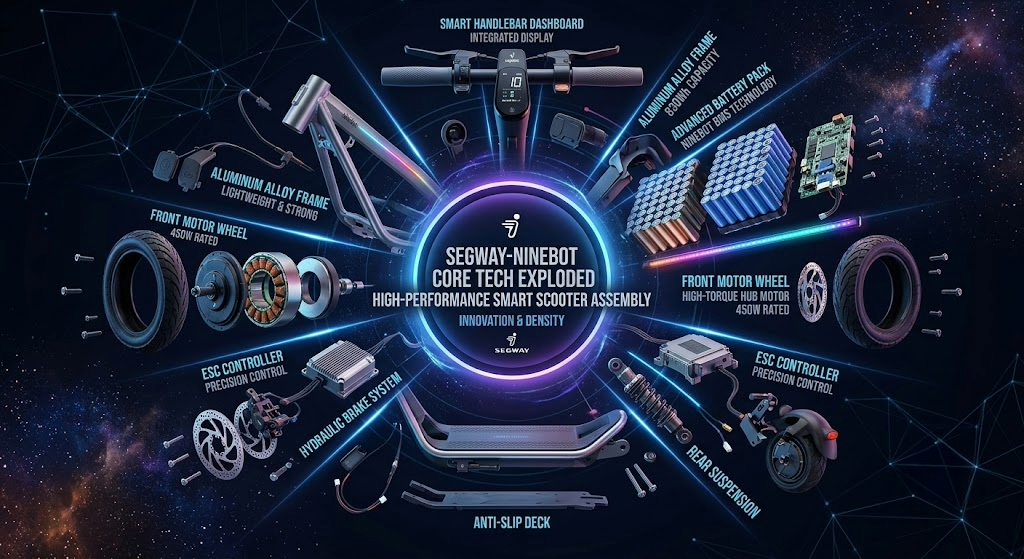
Xiaomi, Segway-Ninebot y Kugoo dominan el mercado europeo. Las alternativas democráticas: Inokim (Israel), Micro Mobility (Suiza) y Apollo (Canadá).
Cuando hablamos de patinete eléctrico origen fabricación 2026, la mayoría de los análisis se centran en precio, prestaciones o diseño. En Democratic Market añadimos una dimensión que pocas guías de compra consideran: el origen democrático del producto. ¿Dónde se fabricó? ¿Qué sistema político gobierna ese país? ¿Qué riesgo geopolítico implica esa cadena de suministro para ti como consumidor europeo?
El Índice de Democracia EIU: el baremo de Democratic Market
The Economist Intelligence Unit publica cada año el Índice de Democracia, el análisis más riguroso y exhaustivo del estado de los sistemas políticos en el mundo. Evalúa 167 países en cinco dimensiones: proceso electoral y pluralismo, funcionamiento del gobierno, participación política, cultura política y libertades civiles. La puntuación va de 0 a 10. Solo los países que superan 6,0 pueden estar presentes en el catálogo de Democratic Market.
Este umbral no es arbitrario. Un país con puntuación inferior a 6,0 en el índice EIU presenta deficiencias estructurales en al menos dos de las cinco dimensiones. Eso puede significar elecciones con resultado predeterminado, restricción de libertades civiles, ausencia de prensa independiente o control estatal de la economía. Cuando compras un producto fabricado en ese tipo de entorno, estás financiando indirectamente ese sistema.
Por qué el origen de fabricación importa más que nunca
En 2026, la cadena de suministro global atraviesa una de sus mayores transformaciones en décadas. Las tensiones entre bloques democráticos y autoritarios han roto el consenso de que la globalización era ideológicamente neutral. Los gobiernos europeos y norteamericanos han introducido legislación como el Reglamento europeo de diligencia debida en cadenas de suministro o la Ley de Prevención del Trabajo Forzoso Uigur de EE.UU. para excluir productos de zonas con violaciones documentadas de derechos humanos.
Democratic Market va un paso más allá de la legislación vigente. Mientras la ley europea se centra en el trabajo forzoso como criterio de exclusión, Democratic Market aplica el criterio más amplio del Índice EIU: si el país de fabricación no alcanza una democracia mínimamente funcional en su conjunto, el producto no entra en el catálogo, independientemente de si se ha podido documentar trabajo forzoso específico en esa fábrica concreta.
Qué significa una cadena de suministro democrática
Una cadena de suministro democrática no es simplemente una cadena libre de trabajo infantil o de explotación laboral directa, aunque eso es condición necesaria. Va más allá: implica que los trabajadores que fabrican el producto tienen derecho a organizarse, a denunciar abusos ante un sistema judicial independiente y a votar libremente a los gobiernos que regulan sus condiciones laborales. Implica que los datos generados por el uso del producto se procesan en jurisdicciones con protección legal efectiva del ciudadano frente al Estado.
En el caso concreto de patinete eléctrico origen fabricación 2026, Democratic Market audita el país de diseño, el país de fabricación de los componentes principales, el país de ensamblaje final y el país donde se procesan los datos si el producto tiene conectividad. Cada uno recibe una puntuación EIU y el promedio ponderado determina si el producto puede estar en el catálogo.
El impacto de tus decisiones de compra en la geopolítica
Puede parecer exagerado relacionar la compra de un producto cotidiano con la geopolítica global. No lo es. El comercio exterior es la primera fuente de ingresos de divisas para la mayoría de economías autoritarias. Las exportaciones sostienen los presupuestos estatales que financian aparatos de represión, propaganda y proyección de poder exterior. Cada euro que un consumidor europeo gasta en productos fabricados en regímenes autoritarios contribuye, a escala agregada, a financiar esos sistemas.
Esto no significa que debas boicotear todo producto con cualquier componente fabricado fuera de democracias plenas: en 2026 eso sería prácticamente imposible dada la integración de las cadenas de suministro globales. Significa tomar decisiones informadas cuando existe una alternativa democrática comparable, y que el precio no sea el único criterio.
Privacidad de datos y origen del producto
Para productos con conectividad digital, el origen geográfico del fabricante tiene una implicación adicional directa: la jurisdicción legal bajo la que se procesan tus datos. La legislación china, rusa o de varios países de Asia Central obliga a las empresas tecnológicas a proporcionar acceso a los datos de sus usuarios a los servicios de inteligencia nacionales sin necesidad de orden judicial.
El Reglamento General de Protección de Datos europeo (RGPD) proporciona protecciones que no tienen equivalente en la mayoría de países con puntuación EIU inferior a 6,0. Elegir un producto de una empresa sujeta al RGPD, o al menos a legislaciones equivalentes de democracias plenas, no elimina todos los riesgos de privacidad, pero sí establece un marco legal de recurso que simplemente no existe en otros entornos regulatorios.
Cómo usar el catálogo de Democratic Market
El catálogo de Democratic Market no es una lista de los mejores productos del mercado en términos de prestaciones. Es una lista de los mejores productos del mercado entre aquellos que superan el umbral democrático. Dentro del catálogo, el consumidor puede comparar calidad, precio y características técnicas de la forma habitual. La diferencia es que todos los productos ya han pasado un primer filtro que el mercado convencional no aplica.
Puedes filtrar por categoría de producto, por país de fabricación principal, por puntuación EIU de la cadena de suministro o por precio. El objetivo es que encontrar la opción democrática no sea más difícil que encontrar la opción más barata: solo requiere usar un catálogo diferente, pensado para consumidores que consideran el origen parte de la ecuación.
Conclusión: el origen forma parte del producto
Cuando analizamos Patinete eléctrico 2026: el 90% viene de China — y las excepciones que existen desde la perspectiva de Democratic Market, el resultado no es solo una ficha técnica. Es una evaluación de toda la cadena que hace posible que ese producto llegue a tus manos: los países, los sistemas políticos, las condiciones laborales y las jurisdicciones legales que han intervenido. Esa cadena forma parte del producto tanto como sus especificaciones.
El consumidor europeo del siglo XXI tiene más información que nunca sobre los productos que compra. Democratic Market pone a su disposición la información que faltaba: el origen democrático. Úsala.