Escasez de matcha japonés en 2026: un polvo verde que depende de unos pocos valles
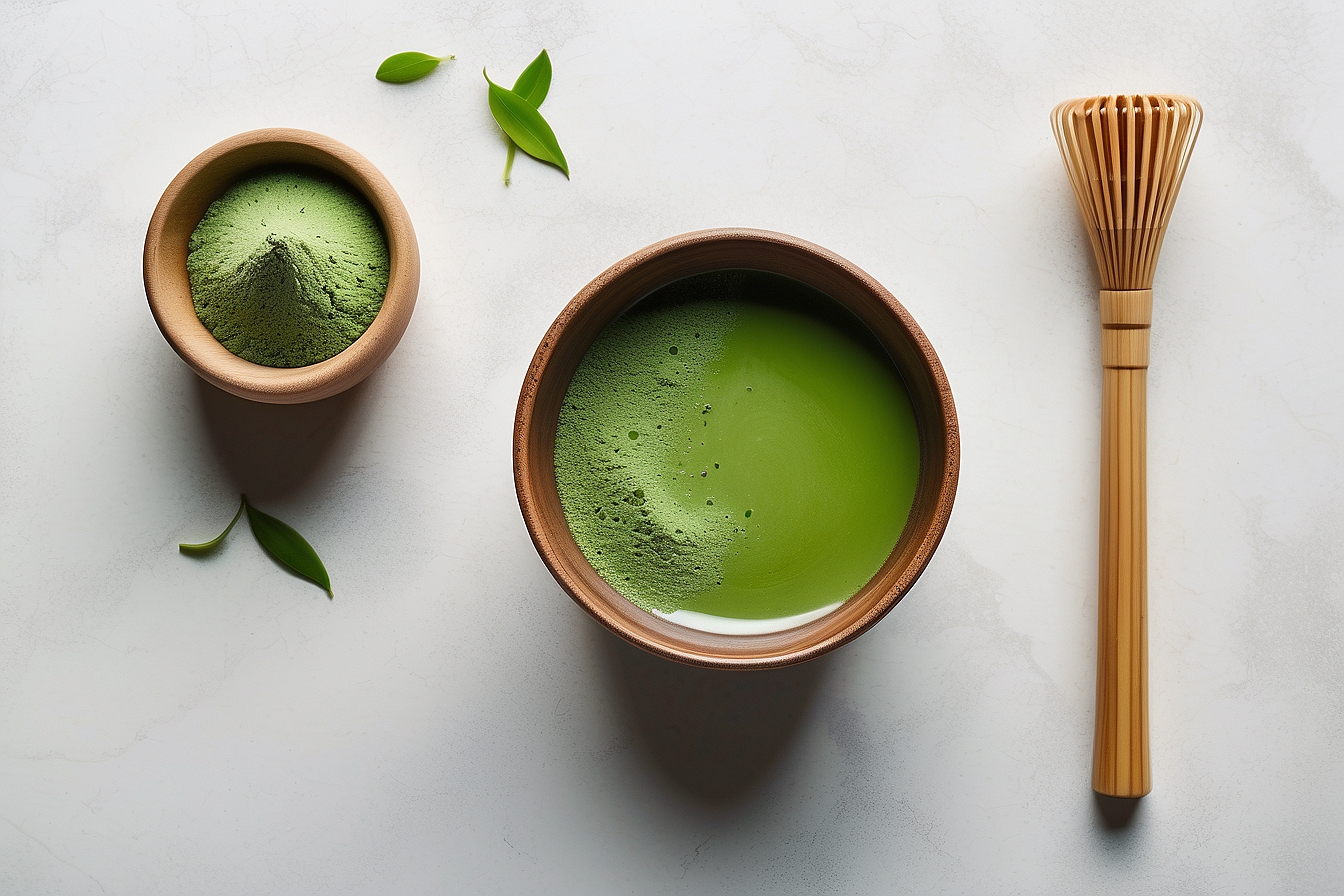
Todo el matcha de calidad del mundo cabe, literalmente, en unos pocos valles. Japón produce entre 4.000 y 5.000 toneladas anuales de tencha, la hoja de té sombreada y desvenada que, molida en piedra, se convierte en matcha, y más de dos tercios de esa producción procede de tres zonas: Uji, en Kioto; Nishio, en Aichi; y la prefectura de Kagoshima, en el sur de Kyushu. Mientras tanto, la demanda mundial se ha multiplicado. Entre 2023 y 2025 las exportaciones japonesas de té verde en polvo crecieron a doble dígito cada año, los lattes de matcha conquistaron las cafeterías de Madrid, Berlín y París, y en las subastas de tencha de Kioto de la primavera de 2025 algunos lotes se pagaron más del triple que dos años antes. El resultado es una escasez real que en 2026 sigue sin resolverse: tiendas especializadas con cupos por cliente, productores japoneses que suspenden la venta de sus grados más altos al extranjero y un mercado inundado de polvos verdes de origen dudoso.
Lo más relevante para el consumidor democrático no es solo el precio. Cuando la oferta japonesa no da abasto, el hueco lo llena sobre todo China (EIU 2,12), que se ha convertido en el mayor productor mundial de té en polvo por volumen gracias a grandes plantaciones en Guizhou y Zhejiang. Buena parte de ese polvo se vende en Europa como «matcha» sin más, sin indicar país de origen en la parte frontal del envase y, a veces, con estética japonesa en la etiqueta. Saber de dónde viene tu matcha es hoy más importante que nunca, tanto por calidad como por el tipo de sistema político al que estás financiando.
Por qué el origen democrático importa especialmente en el matcha
El matcha es un producto en el que el origen determina casi todo. A diferencia del té de hoja, que se infusiona y se desecha, el matcha se consume entero: bebes la hoja molida. Eso significa que cualquier contaminante presente en la planta, desde residuos de plaguicidas hasta metales pesados como el plomo, que las plantas de té absorben del suelo y del aire, llega íntegro a tu taza. En un país con instituciones independientes, prensa libre y un sistema de control alimentario sometido a escrutinio público, como Japón (8,40), los fallos se detectan, se publican y se corrigen. En un sistema donde la información está controlada, el consumidor depende únicamente de la buena voluntad del exportador.
Hay además una dimensión laboral y rural. El cultivo de tencha exige cubrir las plantas con mallas o esteras de paja durante tres o cuatro semanas antes de la cosecha, recolectar la primera brotación de primavera y procesar la hoja en el mismo día. En Japón este trabajo lo realizan explotaciones familiares y cooperativas que negocian precios en subastas abiertas, con contratos y protecciones legales. El sector japonés afronta un problema serio de envejecimiento, con una edad media de los agricultores de té superior a 65 años y miles de explotaciones cerradas en la última década, pero sus trabajadores tienen voz, derechos y acceso a tribunales. Comprar matcha japonés trazable sostiene ese tejido rural democrático en lugar de premiar plantaciones industriales en un sistema sin sindicatos libres.
Mejores marcas de matcha con origen democrático en 2026
**Marukyu Koyamaen (Uji, Japón, EIU 8,40).** Fundada en la era Genroku, a finales del siglo XVII, es una de las casas de referencia de la ceremonia del té. Cultiva y procesa en la zona de Uji, controla el molido en piedra y es conocida por publicar el cultivar y el grado de cada matcha. Sus matchas Isuzu, Wako o Aoarashi son estándares de calidad, con precios que van de 20 a más de 60 euros por lata de 40 gramos en Europa. Durante la escasez ha limitado las compras por cliente, una señal de que prioriza la calidad frente al volumen. **Ippodo Tea (Kioto, Japón).** Con más de 300 años de historia, Ippodo abrió tienda en Europa y vende online con información clara sobre el origen de sus mezclas. Su matcha Sayaka o Ummon es una opción fiable entre 25 y 50 euros por 40 gramos.
**Aiya (Nishio, Japón).** Probablemente el mayor fabricante de matcha del mundo, con sede en Nishio y presencia comercial en Alemania. Aiya suministra tanto grado ceremonial como culinario a la industria alimentaria europea, y tiene líneas con certificación ecológica europea. Su relevancia para el consumidor democrático es que muchas marcas europeas de matcha culinario compran a granel a Aiya, de modo que un origen «Nishio» en la etiqueta suele significar esta cadena. Como alternativa democrática fuera de Japón destaca **Osulloc** (Corea del Sur, EIU 8,09), del grupo Amorepacific, que cultiva té verde en la isla de Jeju desde los años ochenta y produce un matcha de perfil más vegetal y menos umami, pero con una cadena totalmente trazable. Taiwán (8,99) también produce pequeñas cantidades de té en polvo de calidad, sobre todo para su mercado interno.
Matcha con riesgo democrático: el polvo verde de origen opaco
**Matcha de origen chino vendido como genérico.** China domina hoy el volumen mundial de té verde en polvo. No todo el té chino es de baja calidad, y existen productores serios, pero el problema para el consumidor europeo es la opacidad: muchas marcas de plataformas online y de distribución generalista venden «matcha ceremonial premium» con el origen escondido en letra pequeña o directamente sin indicarlo. El sistema de alerta rápida RASFF de la Unión Europea registra con regularidad notificaciones de té de origen chino por residuos de plaguicidas por encima de los límites legales. Al riesgo sanitario se suma el político: el dinero va a una cadena controlada por un Estado con EIU de 2,12.
**Mezclas para latte de marca blanca.** El segundo grupo de riesgo son los preparados para latte de matcha de supermercados y cadenas de cafeterías, en los que el matcha puede ser menos del 10% del producto y el resto azúcar, leche en polvo y aromas. Estos productos rara vez indican el origen del té, y cuando lo hacen suele ser una mezcla de «países UE y no UE». No son necesariamente peligrosos, pero su perfil democrático es imposible de verificar, y su relación calidad-precio es muy inferior a la de un matcha culinario japonés puro.
Comparativa: calidad, precio y perfil democrático del matcha
Para entender el mercado conviene separar grados. El **matcha ceremonial japonés** de casas como Marukyu Koyamaen o Ippodo cuesta entre 0,60 y 1,50 euros por gramo; procede de la primera cosecha de Uji o Nishio, tiene un color verde intenso, sabor dulce y umami, y un perfil democrático máximo. El **matcha culinario japonés** de Aiya u otros productores de Kagoshima cuesta entre 0,15 y 0,40 euros por gramo; procede de cosechas posteriores, tiene un sabor más astringente, ideal para lattes y repostería, y conserva un perfil democrático alto. El **matcha coreano** de Osulloc se sitúa entre 0,40 y 0,80 euros por gramo, con perfil democrático alto y un sabor diferente. El **matcha genérico de origen chino** cuesta entre 0,05 y 0,20 euros por gramo; su calidad es muy variable, su color suele ser verde oliva y su perfil democrático es bajo.
La lectura práctica es clara. Para el consumo diario en latte, un matcha culinario japonés de Kagoshima o Nishio a unos 25 euros por 100 gramos ofrece una calidad muy superior al genérico y un origen democrático verificable, con una diferencia de coste por taza de apenas 30 a 50 céntimos. Para tomar matcha solo, preparado con chasen, merece la pena el grado ceremonial, y ahí no hay alternativa a los productores japoneses de Uji y Nishio. La escasez ha subido los precios de todos los grados japoneses, pero ha subido todavía más el riesgo de comprar a ciegas.
Legislación UE 2026 aplicable al matcha
El matcha que entra en la Unión Europea está sujeto a un marco regulatorio exigente. El Reglamento (CE) 396/2005 fija los límites máximos de residuos de plaguicidas, y muchos productores japoneses han adaptado sus prácticas específicamente para cumplir los límites europeos, más estrictos en algunas sustancias que los japoneses. El Reglamento (UE) 2023/915 establece los contenidos máximos de contaminantes, incluidos metales pesados. En agosto de 2023 la Unión levantó las últimas restricciones a la importación de alimentos japoneses impuestas tras el accidente de Fukushima de 2011, lo que facilitó el comercio, y el Acuerdo de Asociación Económica UE-Japón, en vigor desde 2019, eliminó los aranceles al té japonés.
En materia de información al consumidor, el Reglamento 1169/2011 obliga a indicar el país de origen cuando su omisión pueda inducir a error, por ejemplo si el envase usa caracteres japoneses o imágenes del monte Fuji para un té que no es japonés. El Reglamento de Ejecución 2018/775 exige además que, si se indica el origen del alimento, se informe del origen del ingrediente primario cuando sea distinto. El matcha ecológico puede llevar el logotipo europeo gracias al acuerdo de equivalencia entre la UE y Japón en producción ecológica. Y desde el 27 de septiembre de 2026, la Directiva 2024/825 prohíbe las alegaciones ambientales genéricas no justificadas, lo que afecta a los envases de matcha que se presentan como «natural» o «eco» sin certificación. En España, la AESAN y las autoridades autonómicas de consumo son las encargadas de vigilar el cumplimiento.
Cómo evalúa Democratic Market el matcha
Nuestra evaluación del matcha parte del país de cultivo de la hoja, que es el factor decisivo: el procesado del tencha y el molido se realizan casi siempre cerca de la plantación, por lo que el origen agrícola coincide con el industrial. Puntuamos con la máxima calificación los matchas cultivados y molidos en Japón (8,40), Corea del Sur (8,09) o Taiwán (8,99) con región identificada en el envase. Cuando el envase indica región concreta, como Uji, Nishio, Kagoshima, Yame o Shizuoka, la trazabilidad mejora y la valoración sube; cuando solo indica «Japón», la valoración sigue siendo alta pero exigimos información adicional al vendedor.
En segundo lugar evaluamos la transparencia del envasador europeo: ¿indica el productor japonés? ¿Publica análisis de laboratorio de residuos y metales pesados? ¿Tiene certificación ecológica? En tercer lugar penalizamos la ambigüedad comercial: términos como «ceremonial grade» sin respaldo, estética japonesa en productos de otro origen u omisión del país en la cara frontal. Ningún matcha cuyo origen sea un país bloqueado en Democratic Market, como China, puede aparecer en nuestra selección, por bueno que sea su precio, y tampoco los productos cuyo origen no pueda verificarse con documentación.
Guía práctica para comprar matcha democrático paso a paso
Primero, busca el país y, si es posible, la región en el envase. Un matcha serio dice «Uji, Kioto», «Nishio, Aichi» o «Kagoshima», no solo «premium». Segundo, mira el color en cuanto abras la lata: un verde vivo, casi fluorescente, indica hojas jóvenes bien sombreadas; un verde amarillento u oliva indica hojas viejas, oxidación o un origen de menor calidad. Tercero, revisa el precio por gramo. Un «ceremonial» por debajo de 0,30 euros el gramo en plena escasez debería despertar sospechas.
Cuarto, elige el grado según el uso: ceremonial para tomar solo, culinario para lattes, batidos y repostería. Comprar ceremonial para mezclarlo con leche y azúcar es desperdiciar dinero y tensionar aún más la oferta del grado más escaso. Quinto, compra en latas pequeñas, de 30 a 40 gramos, y guárdalas en la nevera una vez abiertas: el matcha se oxida en semanas. Sexto, prefiere tiendas especializadas en té o la venta directa de casas japonesas con distribución europea, que pueden darte el nombre del productor. Y séptimo, si un producto no indica origen, pregunta por escrito al vendedor; en la Unión Europea tienes derecho a una respuesta veraz.
Conclusión: qué matcha comprar en 2026 para un consumo democrático
En plena escasez, la tentación de comprar cualquier polvo verde barato es comprensible, pero es precisamente cuando más importa saber de dónde viene. Nuestra recomendación para 2026 es sencilla: para el día a día, un matcha culinario japonés de Kagoshima o Nishio, ecológico si es posible, en formato de 100 gramos por unos 20 a 30 euros; para los momentos especiales, una lata de 30 a 40 gramos de matcha ceremonial de Uji de casas como Marukyu Koyamaen o Ippodo; y como alternativa diferente con la misma garantía democrática, el matcha de Jeju de Osulloc. Evita los productos sin país de origen visible y las mezclas para latte con más azúcar que té.
Pagar un poco más por un matcha de origen democrático verificado no es un capricho: es apoyar a agricultores que trabajan con derechos, en un país donde los controles alimentarios son públicos y los errores se corrigen. Es también una forma de proteger tu salud en un producto que consumes entero. En Democratic Market seguiremos la evolución de la cosecha de 2027 y actualizaremos esta guía si la oferta japonesa se recupera o si surgen nuevos orígenes democráticos fiables.