Inflación geopolítica en 2026: cuando un estrecho decide el precio de tu compra
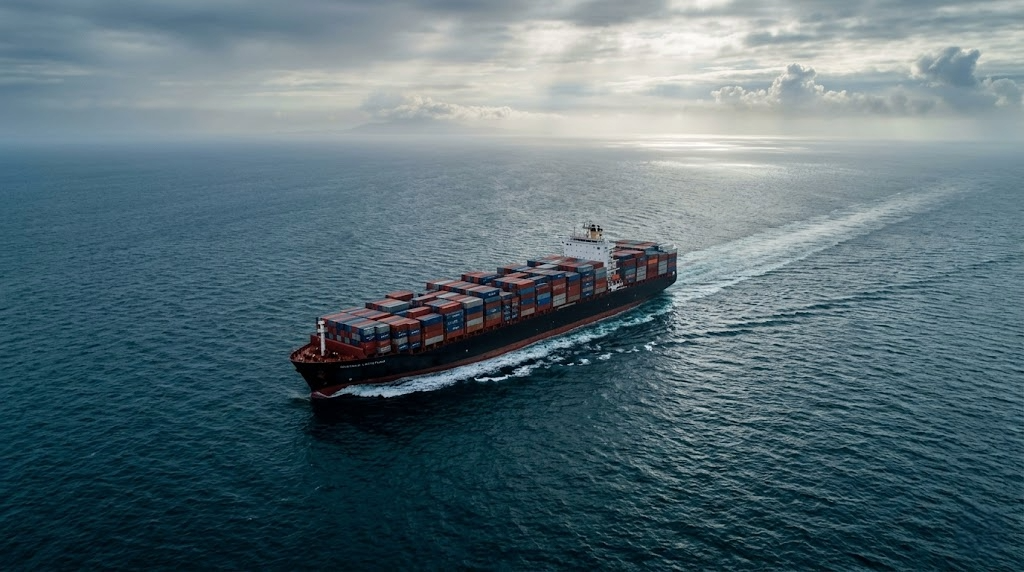
En diciembre de 2023, el coste de enviar un contenedor de 40 pies de Shanghái a Rotterdam rondaba los 1.200 dólares. En julio de 2024 superaba los 8.000. Entre ambas fechas no cambió la demanda europea ni el precio del acero de los barcos: cambió la seguridad del mar Rojo. Los ataques de los hutíes contra buques mercantes obligaron a la mayoría de las navieras a abandonar el canal de Suez, por el que circulaba en torno al 12 % del comercio mundial, y a rodear África por el cabo de Buena Esperanza, añadiendo entre diez y catorce días a cada trayecto. El efecto llegó a las estanterías con unos meses de retraso, en forma de muebles, ropa, electrónica y juguetes algo más caros y plazos de entrega más largos. No fue un caso aislado. En 2022, el corte del gas ruso llevó la inflación de la zona euro hasta el 10,6 % en octubre de ese año, la más alta desde la creación del euro. En 2023, China (EIU 2,11) impuso licencias de exportación al galio y al germanio; en 2025 extendió los controles a varias tierras raras imprescindibles para motores eléctricos. Los economistas han empezado a llamar a este fenómeno inflación geopolítica: subidas de precios que no nacen de la oferta y la demanda de un producto, sino de decisiones políticas o conflictos en algún punto crítico de su cadena de suministro.
Por qué el origen democrático importa para los precios que pagas
La relación entre sistema político y estabilidad comercial no es una intuición moral, sino un patrón observable. El Índice de Democracia de la Economist Intelligence Unit puntúa cada año a 167 países en una escala de 0 a 10 a partir de sesenta indicadores sobre procesos electorales, funcionamiento del gobierno, participación, cultura política y libertades civiles. Las democracias plenas, como Noruega (EIU 9,81), Dinamarca (EIU 9,28) o Alemania (EIU 8,73), comparten rasgos que interesan directamente a quien compra: tribunales que hacen cumplir los contratos, parlamentos que debaten las restricciones comerciales antes de aprobarlas, prensa que informa de los problemas de producción y bancos centrales independientes. Eso no las vuelve inmunes a los shocks: una sequía en España o una huelga portuaria en Róterdam también encarecen productos. La diferencia está en la previsibilidad. Una restricción a la exportación decidida por un parlamento se anuncia, se negocia y puede recurrirse; una decidida por un comité del partido en Pekín o por el Kremlin se aplica de un día para otro y sin explicación. Además, los regímenes autoritarios utilizan con más frecuencia el comercio como herramienta de presión política, como hizo China con las importaciones lituanas en 2021 tras la apertura de una oficina de representación taiwanesa, o Rusia con el gas en 2022. Cuando una cadena de suministro depende de un solo país con esas características, el consumidor europeo asume un riesgo que no aparece en la etiqueta pero sí, tarde o temprano, en el precio.
Los mejores orígenes democráticos para cadenas de suministro estables
Algunos países democráticos se han convertido en anclas de estabilidad para categorías concretas. Taiwán (EIU 8,78) fabrica la inmensa mayoría de los chips más avanzados del mundo a través de TSMC, y aunque su situación geopolítica es delicada, su sistema político es una democracia plena con instituciones transparentes. Japón (EIU 8,48) domina la producción de componentes de precisión, sensores de imagen de Sony, materiales para semiconductores y maquinaria industrial. Corea del Sur (EIU 8,09) concentra baterías, pantallas y memoria con Samsung, LG y SK Hynix. Dentro de Europa, los Países Bajos (EIU 9,00) aportan ASML y el puerto de Róterdam; Alemania, maquinaria, química y automoción; Suecia (EIU 9,39), acero de alta calidad con SSAB y muebles y textiles técnicos; e Italia (EIU 7,58), España (EIU 8,13) y Portugal (EIU 8,08) son líderes en alimentación, calzado, textil y cerámica con fábricas cercanas y transporte por carretera. Fuera de Europa, Canadá (EIU 8,69) y Australia (EIU 8,85) son proveedores clave de minerales, cereales y energía, y Chile (EIU 7,83) produce cobre y litio bajo un sistema político con alternancia. Marcas europeas como Fjällräven, Le Creuset, Braun o Ecoalf han reducido su dependencia de un único país de riesgo trasladando parte de la producción a Portugal, Rumanía o el norte de África, o diversificando entre varios proveedores asiáticos democráticos.
Los orígenes con mayor riesgo geopolítico para el consumidor europeo
En el otro lado se sitúan las cadenas que pasan por regímenes con baja puntuación EIU y alto peso en el comercio mundial. China es el caso central: produce cerca del 30 % de los bienes manufacturados del planeta, refina en torno al 90 % de las tierras raras, más del 60 % del litio y la mayoría del polisilicio solar. Su gobierno ha demostrado que está dispuesto a utilizar esa posición, como muestran los controles sobre galio, germanio, grafito y tierras raras entre 2023 y 2025. Rusia (EIU 2,03) siguió el mismo patrón con el gas, el níquel, los fertilizantes y el trigo, con efectos directos en las facturas energéticas y la cesta de la compra europea en 2022 y 2023. Irán (EIU 1,96) influye en el tránsito por el estrecho de Ormuz, por donde pasa en torno al 20 % del petróleo mundial, y Arabia Saudí (EIU 2,08) decide con la OPEP+ recortes de producción que repercuten en el precio del combustible y del transporte. Vietnam (EIU 2,62) y Camboya (EIU 2,98) se han convertido en alternativas industriales a China, pero sus sistemas de partido único ofrecen pocas garantías sobre condiciones laborales y estabilidad normativa. Conviene matizar: las democracias también restringen exportaciones a veces. India (EIU 7,29) prohibió en 2023 la exportación de arroz no basmati e Indonesia (EIU 6,44) vetó la de mineral de níquel en 2020. La diferencia está en que esas decisiones se discuten públicamente y pueden corregirse por vías institucionales, como ocurrió en parte con el arroz indio en 2024.
Comparativa: qué sectores sufren más la inflación geopolítica
No todas las categorías de consumo están igual de expuestas. La energía y los combustibles son las más sensibles: cualquier tensión en Ormuz o en el mar Negro se traslada en días al precio de la gasolina y en meses a la factura eléctrica. La electrónica de consumo depende de chips taiwaneses, coreanos y japoneses, pero también de minerales refinados en China y de montaje final en China o Vietnam; un móvil puede incorporar componentes de una docena de países y su precio es vulnerable a controles de exportación sobre materiales concretos. El textil y el calzado dependen de Bangladés (EIU 4,44), Vietnam y China para la confección, y del algodón de Xinjiang en una parte significativa de la cadena, lo que añade riesgo regulatorio por trabajo forzoso. Los alimentos procesados están expuestos a fertilizantes rusos y bielorrusos y al trigo del mar Negro, aunque los productos frescos europeos —aceite, frutas, lácteos— dependen más del clima que de la geopolítica. En el extremo de menor exposición están los bienes fabricados íntegramente en la Unión Europea con materias primas europeas o de democracias estables: muebles de madera escandinava, menaje francés e italiano, cosmética fabricada en Alemania o Francia y alimentación con denominación de origen. Un análisis comparado sencillo muestra que, entre 2021 y 2024, las categorías con mayor dependencia de un único país autoritario fueron también las que registraron subidas de precio más bruscas y peor anticipadas, mientras que las que se abastecían de varios países democráticos subieron de forma más gradual.
Legislación UE 2026 frente a la dependencia geopolítica
Bruselas ha construido en pocos años un arsenal normativo pensado precisamente para reducir esta exposición. La Ley de Materias Primas Críticas (Reglamento 2024/1252) fija que para 2030 ningún tercer país debe suministrar más del 65 % de cada materia prima estratégica que consume la Unión, y agiliza los permisos para minas, refinerías y plantas de reciclaje europeas. La Ley Europea de Chips pretende duplicar la cuota de la UE en la producción mundial de semiconductores hasta el 20 %. El Mecanismo de Ajuste en Frontera por Carbono (CBAM) entró en su fase definitiva el 1 de enero de 2026, de modo que los importadores de acero, aluminio, cemento, fertilizantes e hidrógeno deben pagar por las emisiones incorporadas, lo que encarece relativamente la producción intensiva en carbono de países sin precio al CO2. El Instrumento Anticoerción, en vigor desde 2023, permite a la Comisión responder con aranceles o restricciones cuando un país intenta presionar a un Estado miembro mediante el comercio, como ocurrió con Lituania. El Reglamento 2024/3015 prohibirá desde diciembre de 2027 comercializar productos fabricados con trabajo forzoso, y la Directiva de diligencia debida (2024/1760), revisada por el paquete Ómnibus, obligará a las grandes empresas a mapear riesgos en su cadena. En España, la CNMC y el Ministerio de Economía supervisan además el control de inversiones extranjeras en sectores estratégicos, reforzado desde 2020.
Cómo evalúa Democratic Market el riesgo geopolítico de cada producto
En Democratic Market partimos de un principio sencillo: un producto solo entra en el catálogo si todos sus componentes relevantes proceden de países con puntuación EIU igual o superior a 6,0. Ese umbral no es solo un criterio de valores; funciona también como filtro de riesgo de suministro, porque excluye las dependencias que más a menudo han provocado shocks de precio en los últimos años. Para cada producto identificamos el país de fabricación final, el de los componentes principales y el de las materias primas críticas, y asignamos una puntuación EIU a cada eslabón. Después comprobamos la concentración: si más de la mitad del valor de un componente depende de un solo país, aunque sea democrático, lo señalamos como riesgo de concentración. También revisamos si el producto pasa por cuellos de botella logísticos conocidos —Suez, Ormuz, Malaca, el estrecho de Taiwán— y si la marca dispone de proveedores alternativos. El resultado se resume en una ficha con tres colores: verde para cadenas documentadas en democracias y diversificadas; ámbar para cadenas democráticas pero concentradas o con un eslabón sin documentar; y rojo para productos que no superan el umbral y que, por tanto, no listamos. Actualizamos la evaluación cuando la EIU publica su índice anual o cuando un acontecimiento geopolítico altera una ruta relevante.
Guía práctica para protegerte de la inflación geopolítica al comprar
El consumidor no puede controlar el estrecho de Ormuz, pero sí reducir su exposición en las compras que más pesan. Primero, identifica tus categorías de gasto recurrente y mayor importe: electrónica, muebles, ropa, electrodomésticos. En ellas, el origen tiene más impacto acumulado. Segundo, mira más allá del «fabricado en»: busca en la web de la marca dónde están sus proveedores principales y si publica una lista de fábricas, como hacen ya muchas empresas textiles y de calzado. Tercero, prioriza la durabilidad: un electrodoméstico que dura quince años en lugar de seis te expone a menos ciclos de compra en mercados volátiles, y la Unión exige desde 2025 información sobre reparabilidad en varios aparatos. Cuarto, compra antes de que la crisis llegue a la tienda: los shocks logísticos tardan entre tres y seis meses en trasladarse a los precios finales, así que adelantar una compra prevista cuando se cierra una ruta marítima puede ahorrar dinero. Quinto, diversifica marcas y orígenes en productos básicos, igual que una empresa diversifica proveedores. Sexto, favorece la producción cercana en la Unión y en democracias estables cuando la diferencia de precio sea razonable: transportar por carretera desde Portugal o Polonia es menos vulnerable que atravesar el mar Rojo. Y séptimo, utiliza herramientas como el catálogo de Democratic Market para comparar productos equivalentes por origen y no solo por precio.
Conclusión: comprar democrático también es una decisión económica
La inflación geopolítica no desaparecerá en los próximos años. Las tensiones en Oriente Medio, la guerra en Ucrania, la rivalidad entre Estados Unidos y China y el uso creciente del comercio como arma política son rasgos estructurales del contexto actual. Frente a eso, el consumidor europeo tiene dos opciones: ignorar el origen de lo que compra y asumir la volatilidad que llega con él, o incorporar la estabilidad democrática como criterio de decisión junto al precio y la calidad. Nuestra recomendación práctica es empezar por tres categorías: electrónica y electrodomésticos, donde conviene buscar marcas con fabricación o componentes clave en Japón, Corea del Sur, Taiwán o la Unión Europea; textil y calzado, donde Portugal, Italia y España ofrecen alternativas de calidad con cadenas cortas; y muebles y menaje, donde la producción escandinava, alemana, francesa e italiana combina durabilidad y bajo riesgo logístico. Pagar algo más por un producto fabricado en una democracia estable no es solo una declaración de valores: es una forma de asegurar que su precio y su disponibilidad dependerán de reglas conocidas y no de la decisión imprevisible de un régimen autoritario. En Democratic Market seguiremos señalando qué productos superan ese filtro.