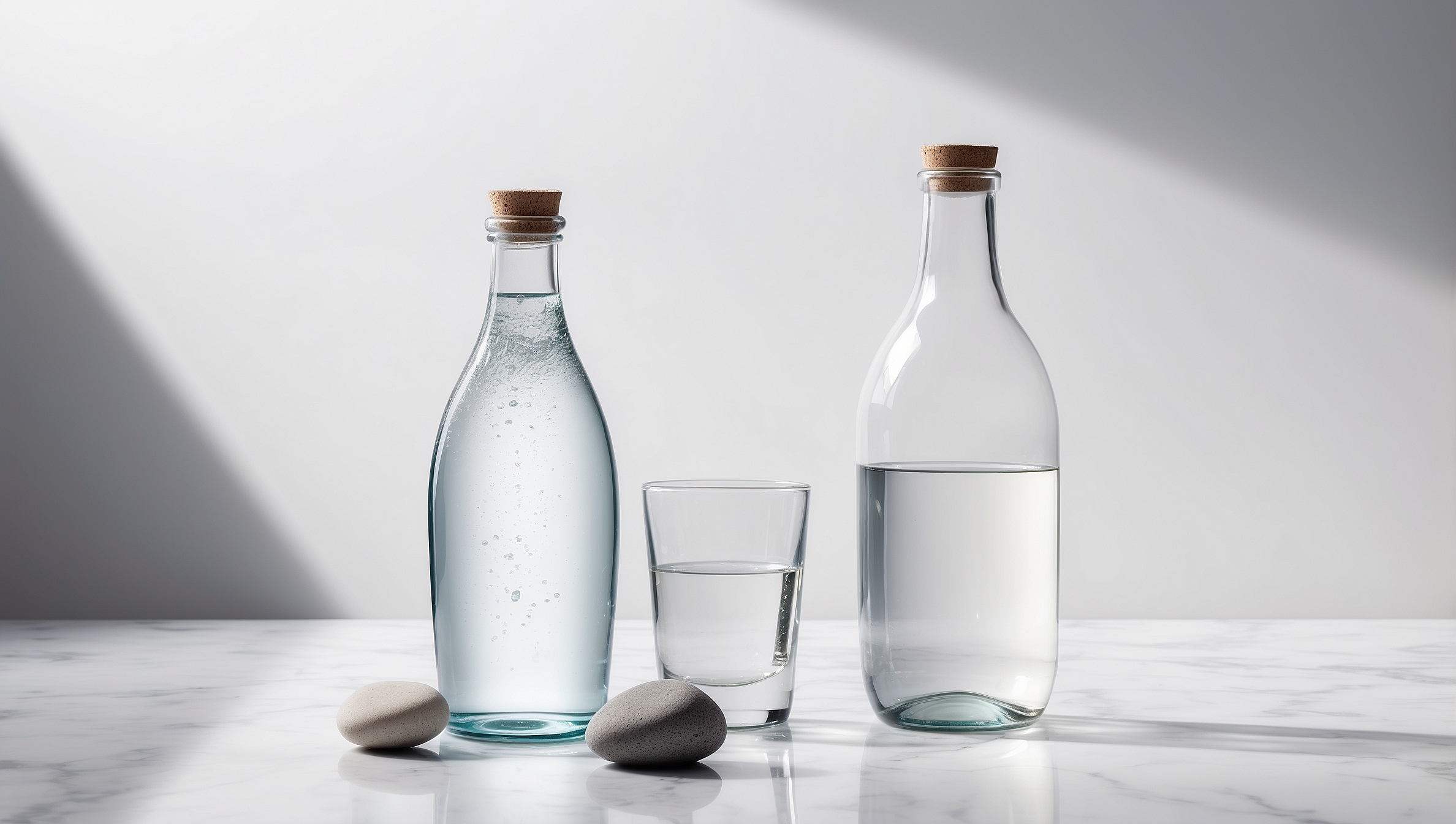
El agua mineral embotellada es uno de los productos donde la dimensión democrática del origen se puede analizar con más nitidez, porque el origen geográfico del producto es, por definición, inseparable del producto mismo. No puedes fabricar agua Evian en otra parte. No existe el agua de manantial islandés producida en China. Lo que está dentro de la botella refleja necesariamente el lugar donde está el manantial, y la gestión de ese recurso natural refleja necesariamente el sistema político y regulatorio del país donde se encuentra.
Islandia lidera el ranking democrático del agua embotellada con una claridad que pocas categorías de producto pueden igualar. El país obtiene 9,45 sobre 10 en el Índice EIU 2024, es uno de los sistemas de gobernanza ambiental más robustos del mundo, y tiene una reserva de agua dulce por habitante que es múltiplos de la media europea gracias a sus glaciares, sus precipitaciones y su actividad volcánica que filtra el agua a través de capas de lava. Icelandic Glacial y Ölgerðin Egill Skallagrímsson (marca Íslandsbrunnar) son las marcas más representadas en el mercado europeo, ambas con el argumento del agua de origen glaciar y volcánico y con la ventaja política del perfil democrático más alto disponible en cualquier botella de agua.
El mapa europeo del agua: democracia muy concentrada en el norte
Noruega (9,81 puntos EIU, el índice más alto del mundo en 2024) tiene varias marcas de agua de manantial con distribución europea. VOSS, probablemente la más conocida internacionalmente, se embotella en Vatnestrøm, un municipio del sur de Noruega, y ha construido su posicionamiento sobre la pureza del agua subterránea artesiana filtrada por capas de roca del escudo geológico escandinavo. Para Democratic Market, el perfil de VOSS es casi perfectamente alineado con los criterios: noruega de origen, en una democracia plena de máxima puntuación, con recursos hídricos abundantes gestionados bajo uno de los marcos regulatorios ambientales más exigentes del mundo.
Francia (8,07 EIU) alberga algunos de los manantiales más conocidos del planeta. Evian se embotella en Évian-les-Bains junto al lago Léman, en agua que ha tardado entre 10 y 15 años en filtrarse a través de los Alpes desde las precipitaciones hasta el acuífero. Perrier, San Pellegrino (aunque esta es italiana, 7,67 EIU), y Vittel también son marcas francesas de primer nivel democrático. Alemania (8,58 EIU) tiene una cultura del agua mineral especialmente desarrollada: Gerolsteiner, con su característico perfil mineral alto gracias a la geología volcánica del Eifel, y Apollinaris son ejemplos de marcas alemanas con trayectorias largas y cadenas de suministro domésticas completamente transparentes. Austria (8,62 EIU) es otro origen de alta puntuación democrática con marcas como Vöslauer.
Las marcas de agua y sus implicaciones geopolíticas
El mercado global del agua embotellada tiene dimensiones que van más allá de Europa occidental. Fiji Water (Fiji, 3,09 EIU) es quizás el caso más conocido de agua premium con perfil democrático problemático. La marca, fundada por David Gilmour y hoy propiedad del grupo Roll International (Lynda y Stewart Resnick, con sede en EE.UU.), extrae agua de un acuífero en la isla de Viti Levu bajo un acuerdo de concesión con el gobierno fiyiano. Fiji el país tiene una puntuación de apenas 3,09 en el índice EIU, con un historial de golpes militares (1987, 2000, 2006) y restricciones a la libertad de prensa que lo sitúan en la categoría de régimen híbrido según todos los principales índices de democracia. Beber Fiji Water es, en sentido literal, financiar la extracción de un recurso natural en un país con protecciones democráticas muy limitadas para sus ciudadanos.
Dasani (Coca-Cola) y Aquafina (PepsiCo) son técnicamente agua de grifo purificada, no agua de manantial, y sus valoraciones democráticas son las de EE.UU. (7,85 EIU), lo que las sitúa por encima del umbral pero sin el añadido de valor natural que ofrecen las marcas de manantial europeas. Bonaqua (también Coca-Cola) y otras marcas de distribuidor siguen el mismo patrón. Desde el punto de vista democrático, ninguna plantea problemas directos de origen, pero tampoco ofrecen el argumento natural y geográfico que hace al agua mineral embotellada especialmente apta para el análisis democrático.
La sostenibilidad del plástico como variable añadida
El análisis del agua mineral embotellada no puede ignorar la dimensión ambiental sin ser deshonesto. La botella de plástico de un solo uso es una contradicción interna de productos que se venden sobre la pureza y la naturaleza. Los países con las puntuaciones democráticas más altas en el índice EIU, los mismos que producen el agua con mejor perfil político, son también los países con las normativas de gestión de residuos plásticos más exigentes y los que están impulsando con más fuerza la transición hacia materiales de envase reutilizables o de alta recuperación. El sistema de depósito y devolución (Pfand) alemán, que tiene tasas de recuperación de botellas PET superiores al 97%, es el modelo que más países europeos están estudiando para implementar.
Para el consumidor que quiere el mejor perfil democrático en agua embotellada: agua de manantial nórdica (Noruega, Islandia, Suecia, Finlandia) o centroeuropea (Alemania, Austria, Suiza) en botella de vidrio reutilizable o PET reciclado con alta tasa de recuperación es la combinación más coherente con los criterios que Democratic Market defiende. Para quien bebe agua del grifo en un país con agua potable de buena calidad, que incluye la mayor parte de Europa occidental, la opción ambientalmente más coherente sigue siendo no comprar agua embotellada en absoluto y filtrar en casa cuando sea necesario.
Hay un debate que el mercado del agua mineral embotellada tiene pendiente y que la legislación europea está empezando a abordar: ¿tiene sentido transportar agua mineral desde Noruega o Islandia a una ciudad española o italiana cuando esa ciudad tiene agua potable perfectamente segura y bebible del grifo? La huella de carbono del transporte de botellas de agua pesadas a larga distancia es un argumento ambiental real que el criterio democrático solo no puede resolver. La respuesta más coherente con ambos criterios, el democrático y el ambiental, para los consumidores europeos en regiones con agua del grifo de buena calidad es instalar un filtro de agua doméstico de calidad (fabricado en Europa, por ejemplo por BWT de Austria, 8,62 EIU, o Brita de Alemania, 8,58 EIU), rellenar botellas de vidrio reutilizables, y reservar el agua mineral embotellada para momentos puntuales o para regiones donde la calidad del agua de red no es óptima. El agua embotellada con origen democrático ideal, como la noruega VOSS o la islandesa Icelandic Glacial, sigue siendo la mejor opción dentro de la categoría cuando la categoría es la elección correcta. Pero la categoría en sí no siempre es la elección más coherente.